Breaking the curse of dimensionality in POMDPs and games with sampling-based online planning
Assistant Professor Zachary Sunberg
University of Colorado Boulder
December 30, 2025

Autonomous Decision and Control Laboratory

-
Algorithmic Contributions
- Scalable algorithms for partially observable Markov decision processes (POMDPs)
- Motion planning with safety guarantees
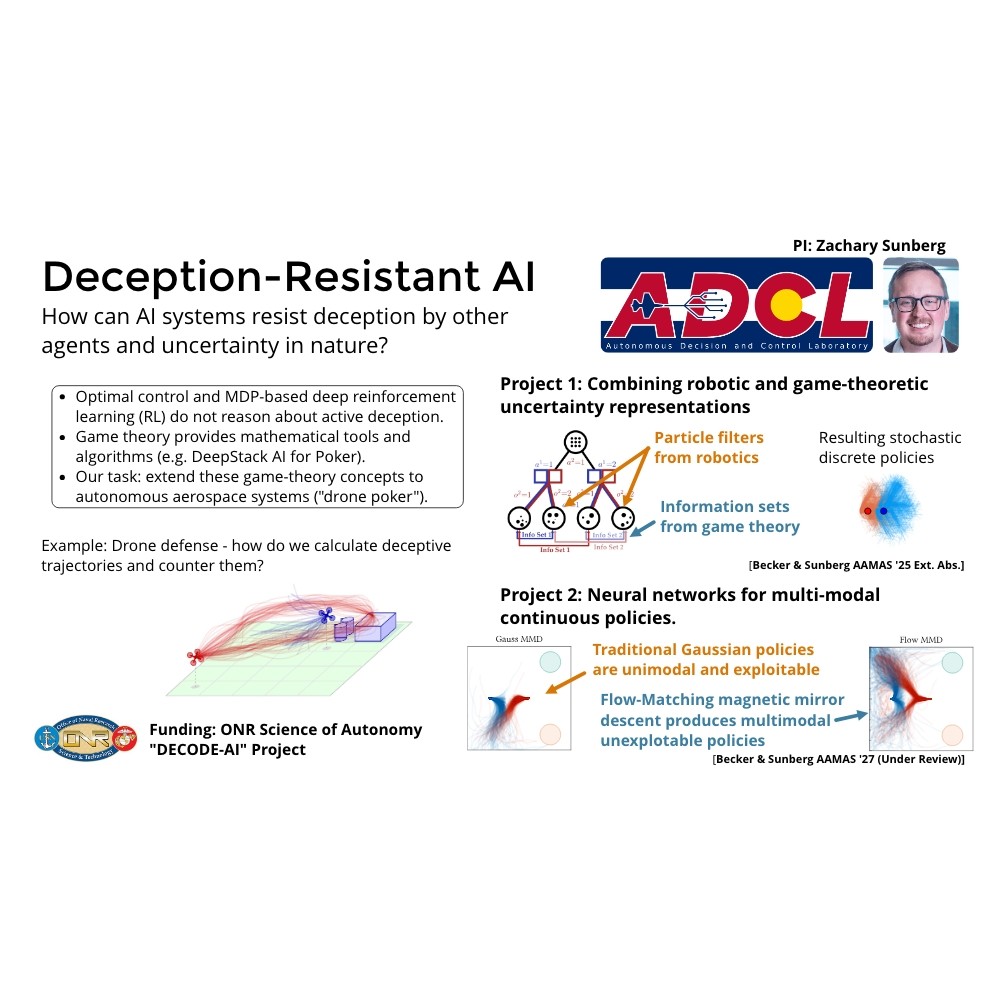
- Game theoretic algorithms
-
Theoretical Contributions
- Particle POMDP approximation bounds
-
Applications
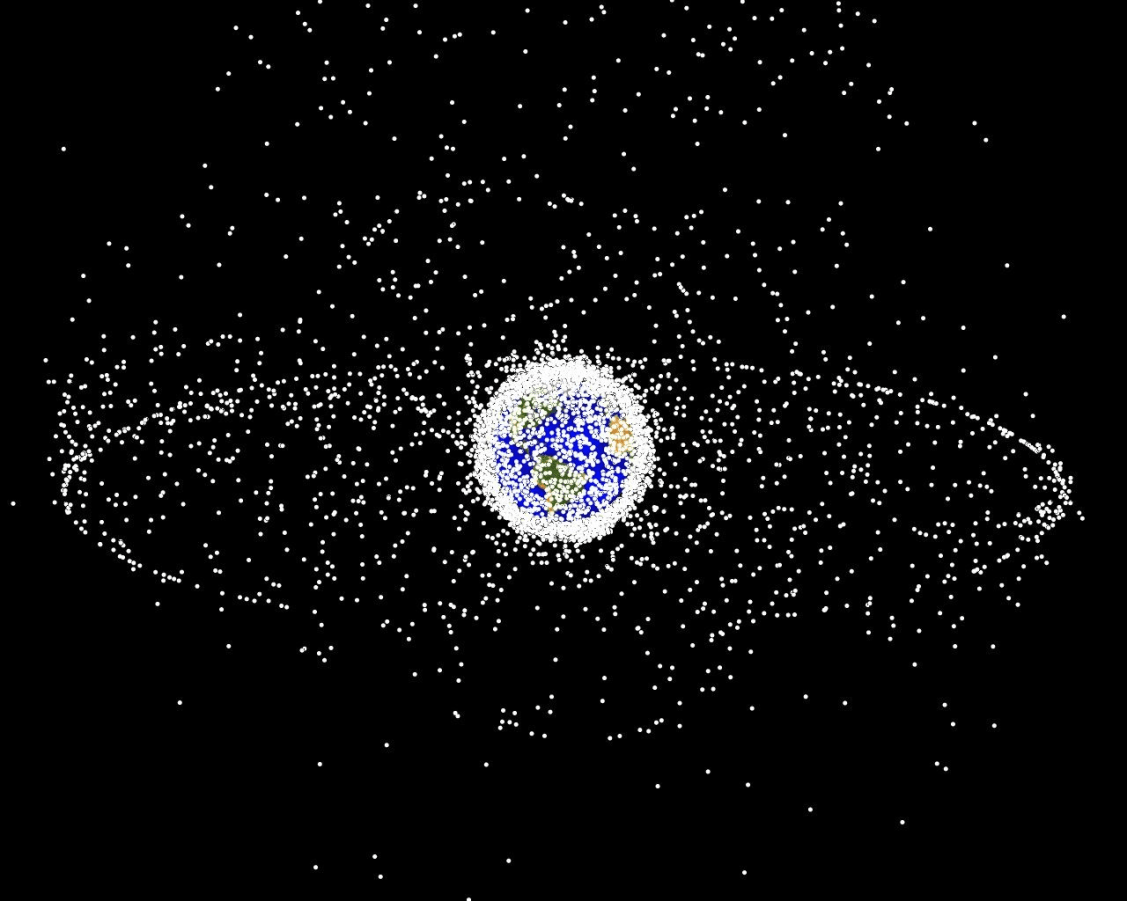
- Space Domain Awareness
- Autonomous Driving
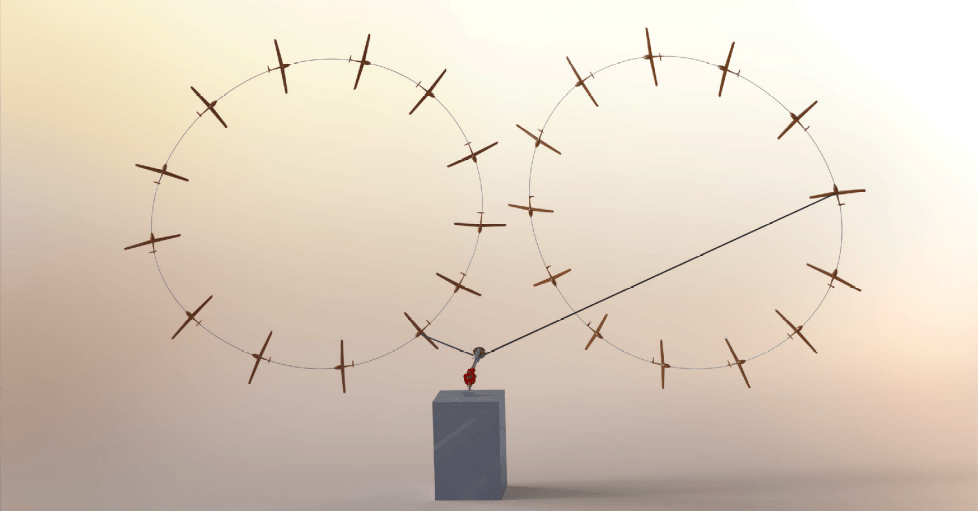
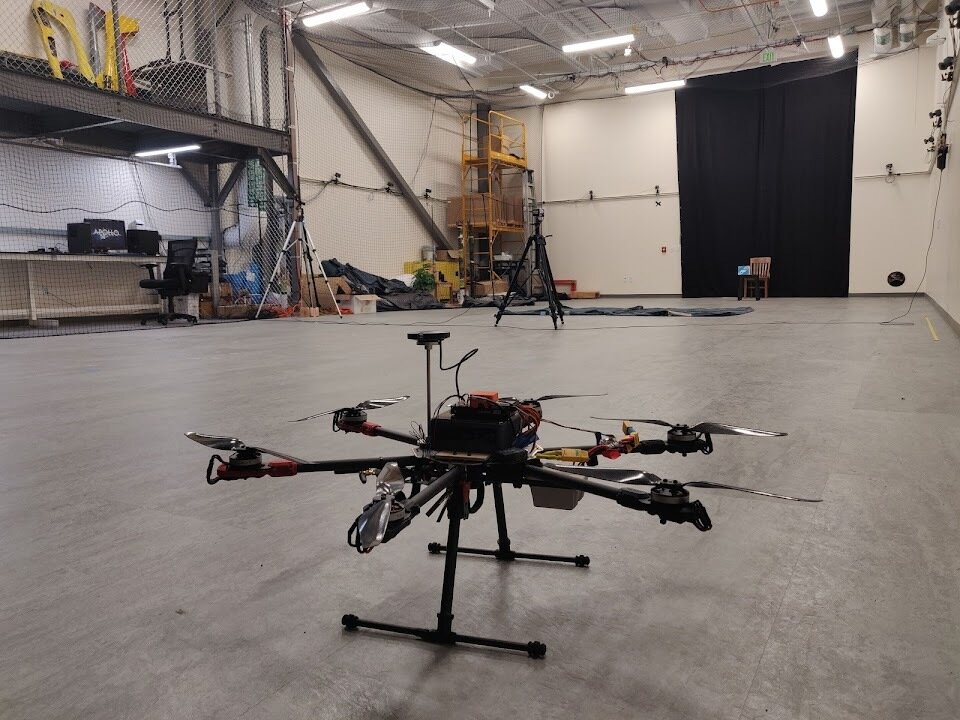
- Autonomous Aerial Scientific Missions
- Search and Rescue
- Space Exploration
- Ecology
-
Open Source Software
- POMDPs.jl Julia ecosystem

PI: Prof. Zachary Sunberg

PhD Students






Tweet by Nitin Gupta
29 April 2018
https://twitter.com/nitguptaa/status/990683818825736192
Example 1: Autonomous Driving
2018
Example 1:
Autonomous Driving
2025
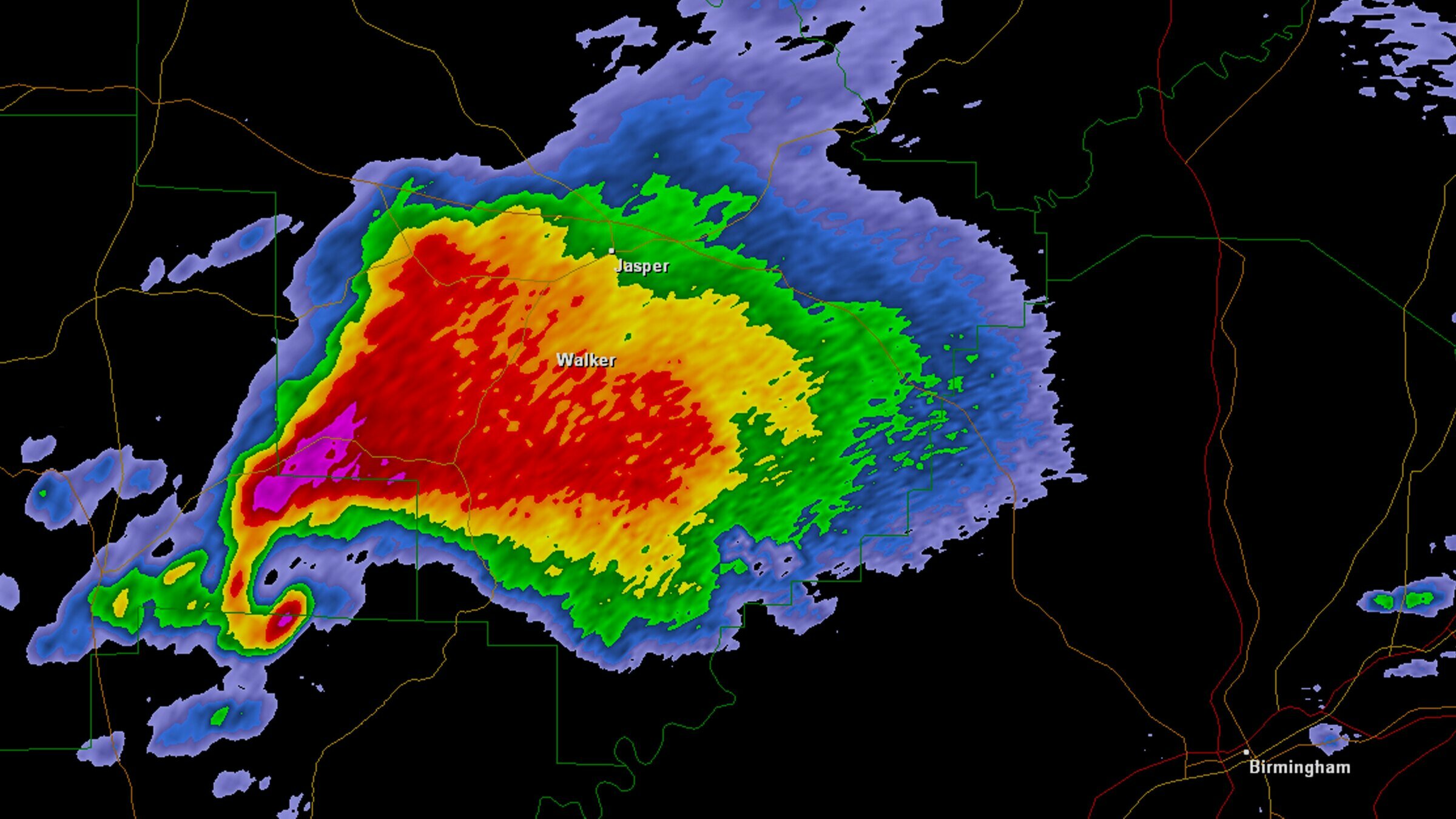
Example 2: Meteorology
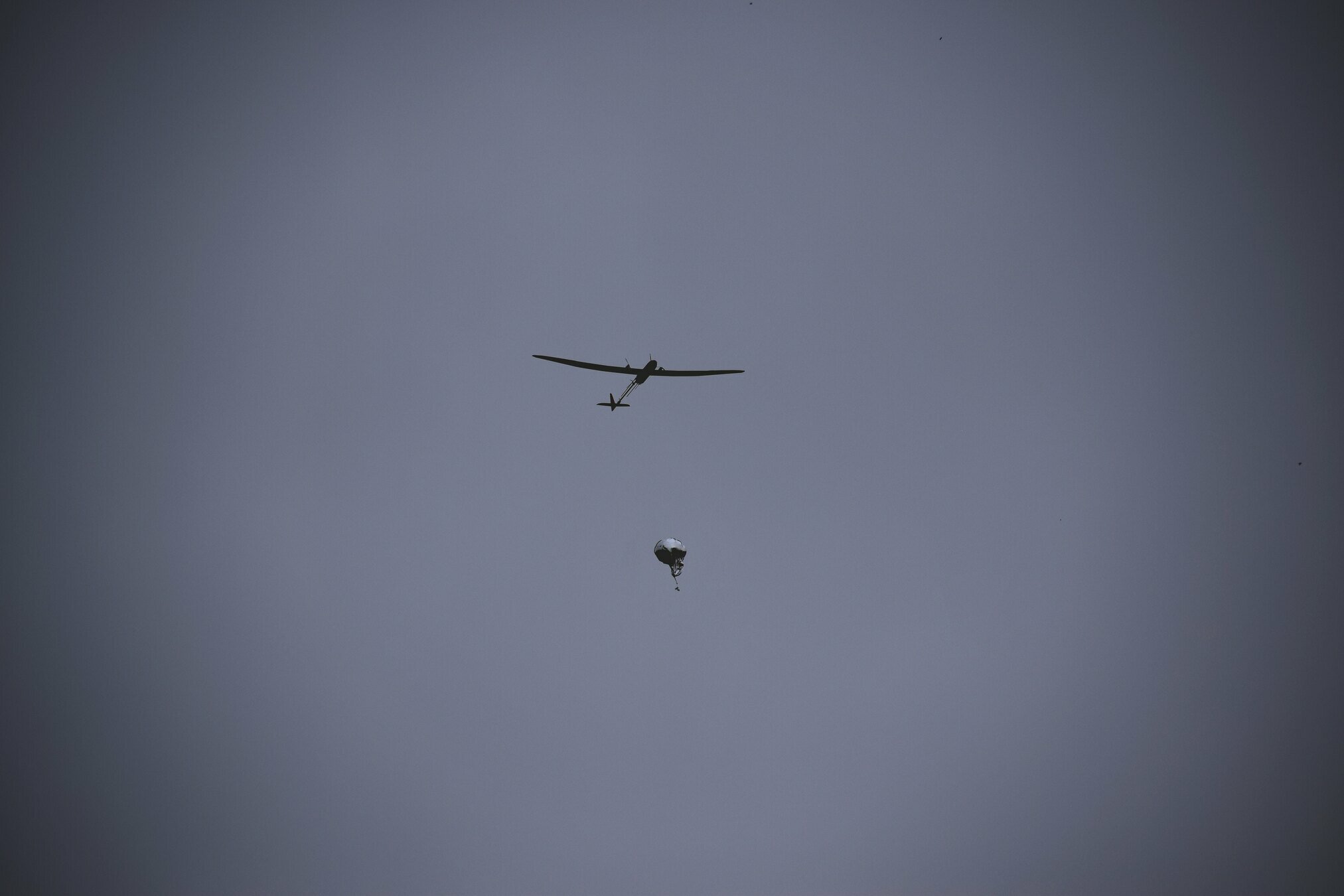
Video: Eric Frew
Example 2: Meteorology
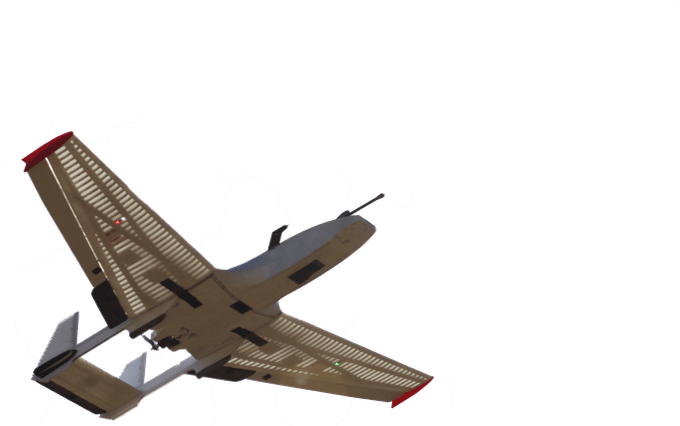
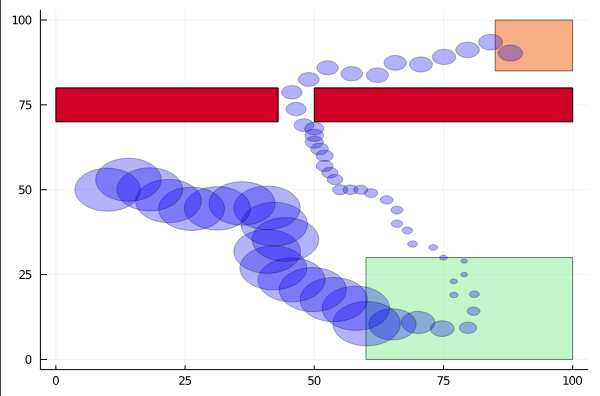
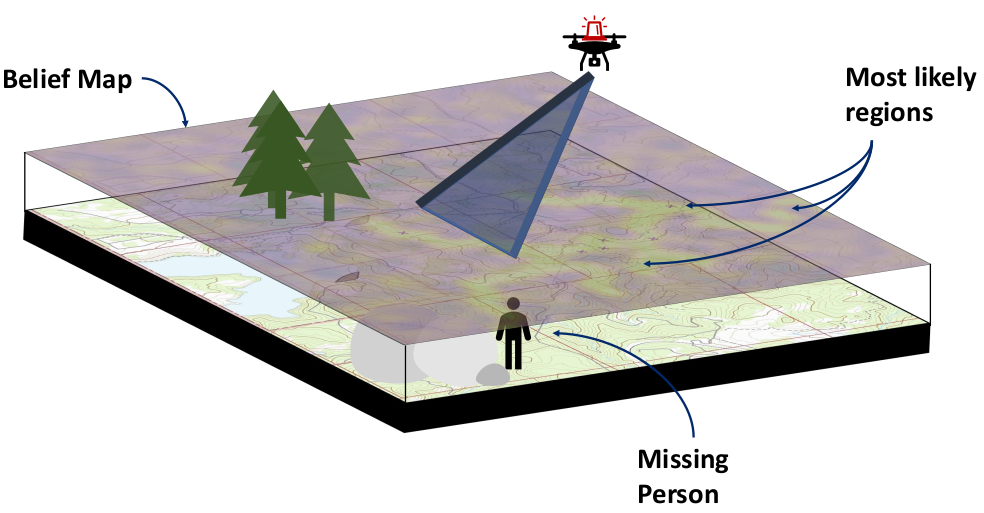
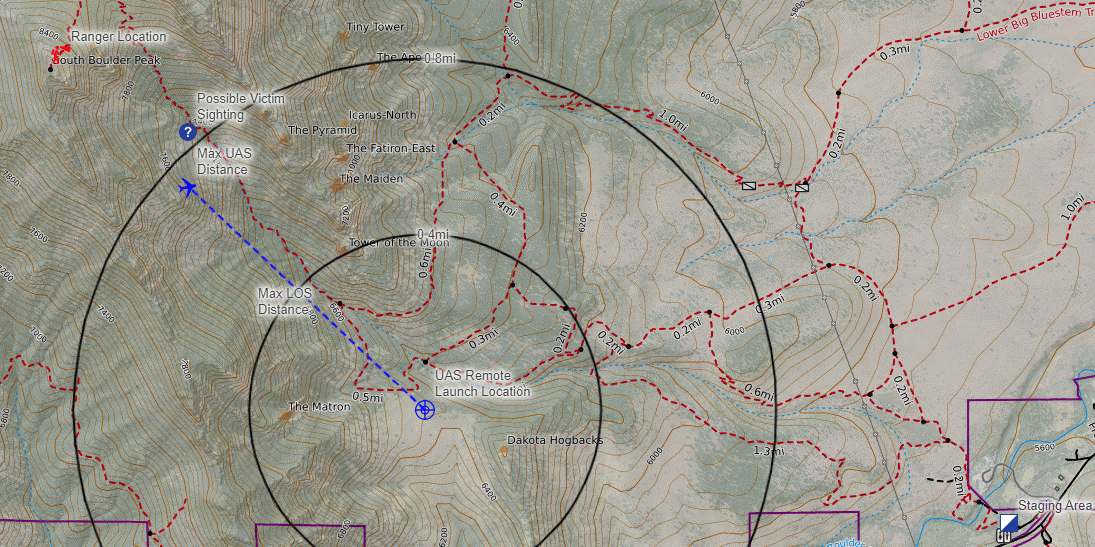
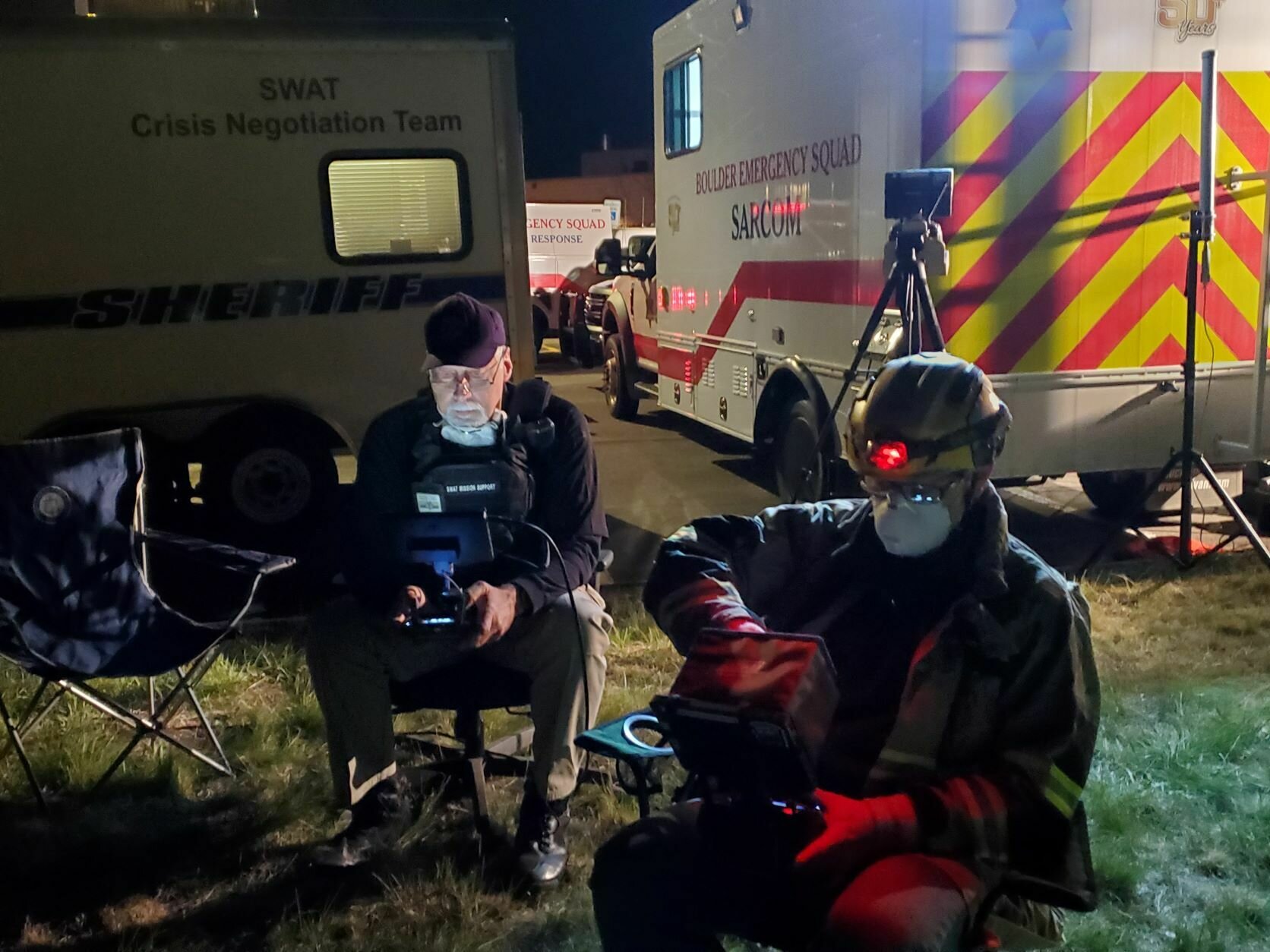
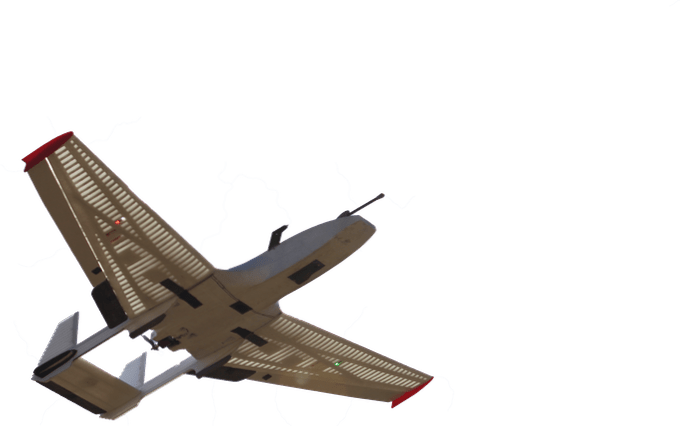
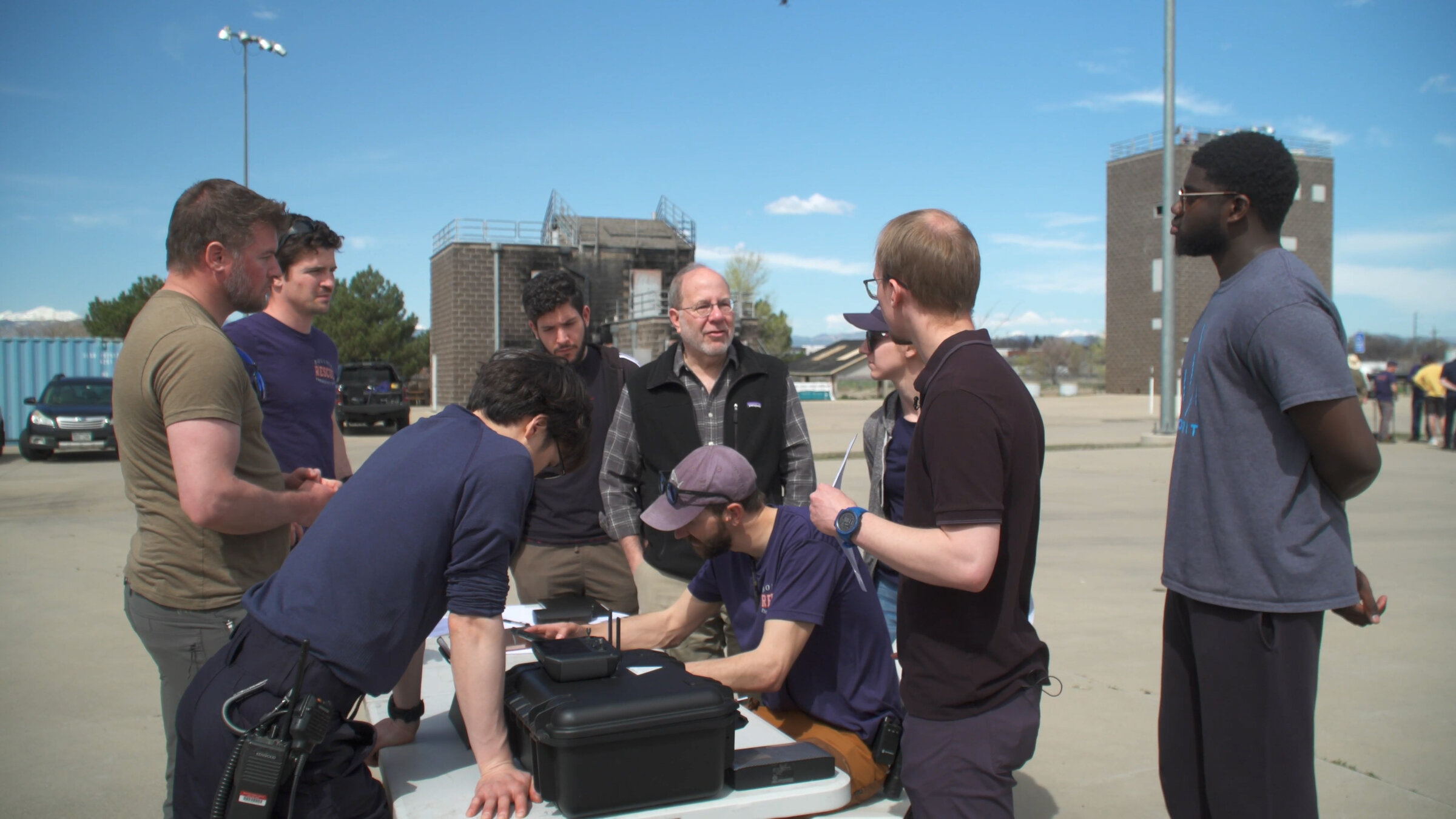
Example 3: Search and Rescue

What do they have in common?
Driving: what are the other road users going to do?
Tornado Forecasting: what is going on in the storm?
Search and Rescue: where is the lost person?
All are sequential decision-making problems with uncertainty!
All can be modeled as a POMDP (with a very large state and observation spaces).
Outline
- The Promise and Curse of POMDPs
- Breaking the Curse
- Applications
- Multiple Agents
Part I: The Promise and Curse of POMDPs
Types of Uncertainty
Aleatory
Epistemic (Static)
Epistemic (Dynamic)

Strategic
MDP
RL
POMDP
Game
Markov Decision Process (MDP)
- \(\mathcal{S}\) - State space
- \(T:\mathcal{S}\times \mathcal{A} \times\mathcal{S} \to \mathbb{R}\) - Transition probability distribution
- \(\mathcal{A}\) - Action space
- \(R:\mathcal{S}\times \mathcal{A} \to \mathbb{R}\) - Reward

Aleatory
\([x, y, z,\;\; \phi, \theta, \psi,\;\; u, v, w,\;\; p,q,r]\)
\(\mathcal{S} = \mathbb{R}^{12}\)
\(\mathcal{S} = \mathbb{R}^{12} \times \mathbb{R}^\infty\)
\[\underset{\pi:\, \mathcal{S} \to \mathcal{A}}{\text{maximize}} \quad \text{E}\left[ \sum_{t=0}^\infty R(s_t, a_t) \right]\]
Reinforcement Learning
- \(\mathcal{S}\) - State space
- \(T:\mathcal{S}\times \mathcal{A} \times\mathcal{S} \to \mathbb{R}\) - Transition probability distribution
- \(\mathcal{A}\) - Action space
- \(R:\mathcal{S}\times \mathcal{A} \to \mathbb{R}\) - Reward
Aleatory
Epistemic (Static)
\([x, y, z,\;\; \phi, \theta, \psi,\;\; u, v, w,\;\; p,q,r]\)
\(\mathcal{S} = \mathbb{R}^{12}\)
\(\mathcal{S} = \mathbb{R}^{12} \times \mathbb{R}^\infty\)
Partially Observable Markov Decision Process (POMDP)

- \(\mathcal{S}\) - State space
- \(T:\mathcal{S}\times \mathcal{A} \times\mathcal{S} \to \mathbb{R}\) - Transition probability distribution
- \(\mathcal{A}\) - Action space
- \(R:\mathcal{S}\times \mathcal{A} \to \mathbb{R}\) - Reward
- \(\mathcal{O}\) - Observation space
- \(Z:\mathcal{S} \times \mathcal{A}\times \mathcal{S} \times \mathcal{O} \to \mathbb{R}\) - Observation probability distribution
Aleatory
Epistemic (Static)
Epistemic (Dynamic)
\([x, y, z,\;\; \phi, \theta, \psi,\;\; u, v, w,\;\; p,q,r]\)
\(\mathcal{S} = \mathbb{R}^{12}\)
\(\mathcal{S} = \mathbb{R}^{12} \times \mathbb{R}^\infty\)
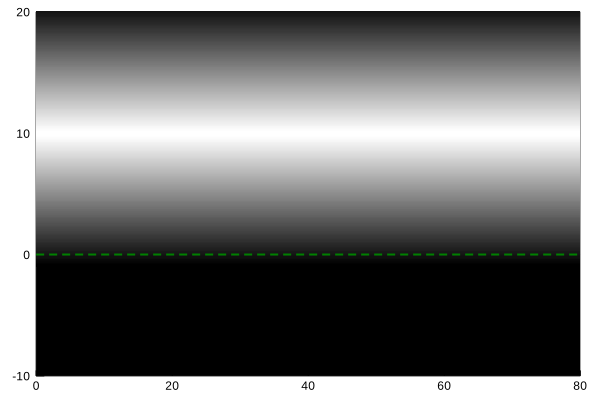
\begin{aligned}
& \mathcal{S} = \mathbb{Z} \quad \quad \quad ~~ \mathcal{O} = \mathbb{R} \\
& s' = s+a \quad \quad o \sim \mathcal{N}(s, |s-10|) \\
& \mathcal{A} = \{-10, -1, 0, 1, 10\} \\
& R(s, a) = \begin{cases}
100 & \text{ if } a = 0, s = 0 \\
-100 & \text{ if } a = 0, s \neq 0 \\
-1 & \text{ otherwise}
\end{cases} & \\
\end{aligned}
State
Timestep
Accurate Observations
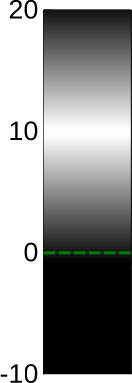
Goal: \(a=0\) at \(s=0\)
Optimal Policy
Localize
\(a=0\)
POMDP Example: Light-Dark
Solving a POMDP
Environment
Belief Updater
Planner
\(a = +10\)
True State
\(s = 7\)
Observation \(o = -0.21\)
\(b\)
\[b_t(s) = P\left(s_t = s \mid b_0, a_0, o_1 \ldots a_{t-1}, o_{t}\right)\]
\[ = P\left(s_t = s \mid b_{t-1}, a_{t-1}, o_{t}\right)\]
\(Q(b, a)\)
\(O(|\mathcal{S}|^2)\)
Why are POMDPs difficult?
- Curse of History
- Curse of dimensionality
- State space
- Observation space
- Action space
Tree size: \(O\left(\left(|A||O|\right)^D\right)\)
Curse of Dimensionality
\(d\) dimensions, \(k\) segments \(\,\rightarrow \, |S| = k^d\)


1 dimension
e.g. \(s = x \in S = \{1,2,3,4,5\}\)
\(|S| = 5\)
2 dimensions
e.g. \(s = (x,y) \in S = \{1,2,3,4,5\}^2\)
\(|S| = 25\)
3 dimensions
e.g. \(s = (x,y,x_h) \in S = \{1,2,3,4,5\}^3\)
\(|S| = 125\)
(Discretize each dimension into 5 segments)
\(x\)
\(y\)
\(x_h\)

Part II: Breaking the Curse
Integration
Find \(\underset{s\sim b}{E}[f(s)]\)
\[=\sum_{s \in S} f(s) b(s)\]
Monte Carlo Integration
\(Q_N \equiv \frac{1}{N} \sum_{i=1}^N f(s_i)\)
\(s_i \sim b\) i.i.d.
\(\text{Var}(Q_N) = \text{Var}\left(\frac{1}{N} \sum_{i=1}^N f(s_i)\right)\)
\(= \frac{1}{N^2} \sum_{i=1}^N\text{Var}\left(f(s_i)\right)\)
\(= \frac{1}{N} \text{Var}\left(f(s_i)\right)\)
(Bienayme)
Curse of dimensionality!
Inexact - but accuracy has no curse of dimensionality!
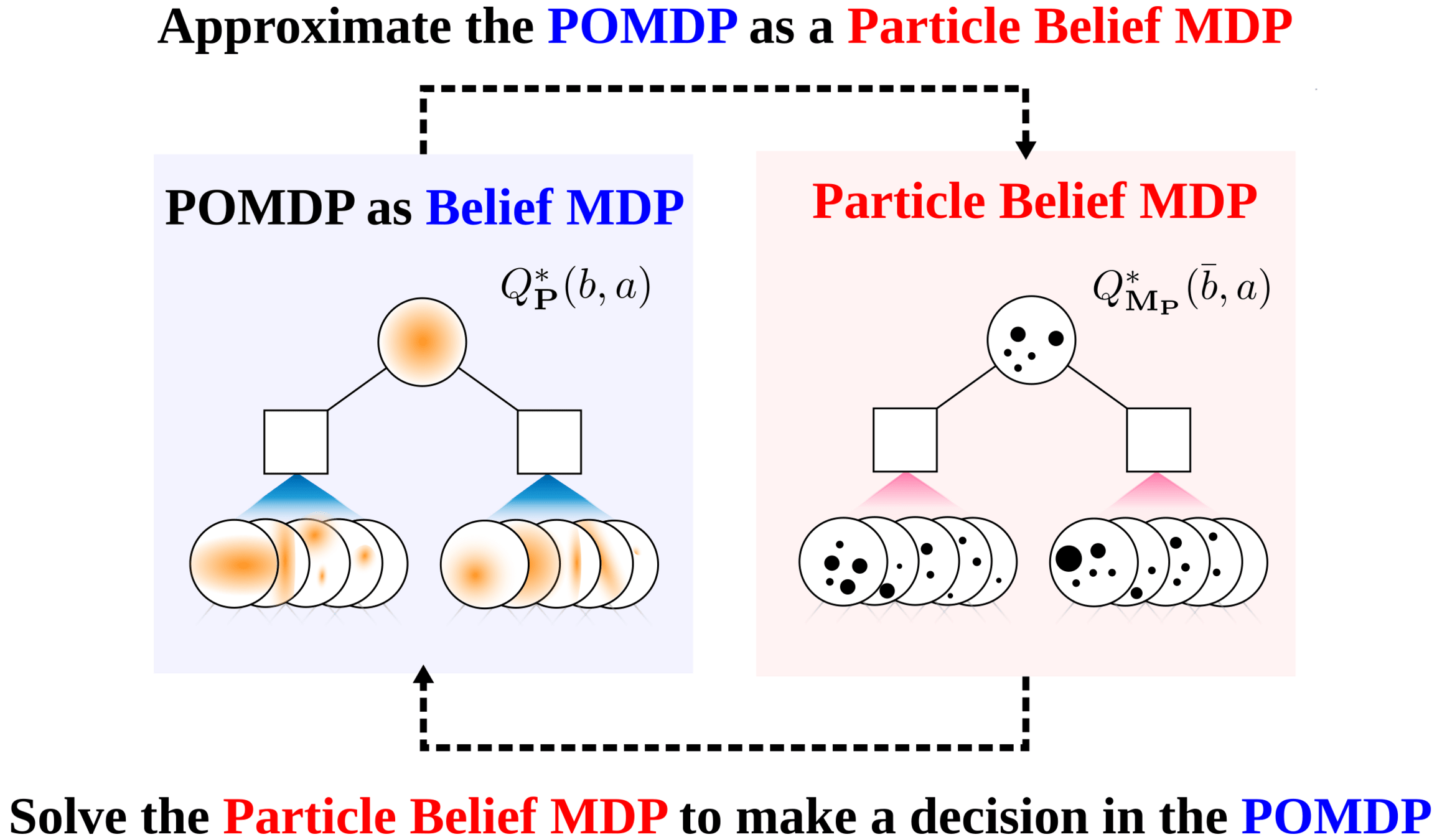
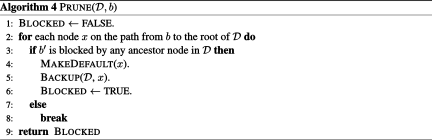
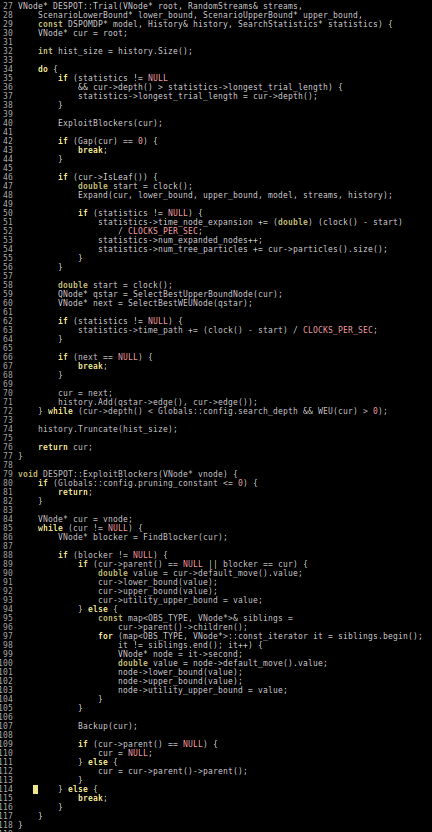
Particle Filter POMDP Approximation
\[b(s) \approx \sum_{i=1}^N \delta_{s}(s_i)\; w_i\]
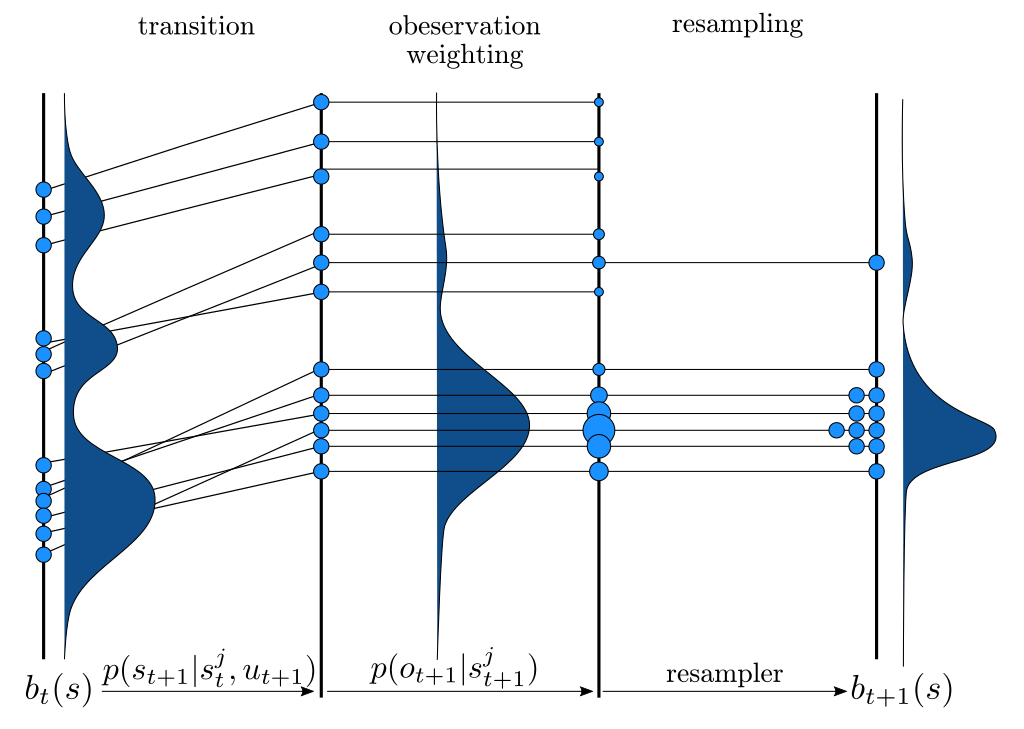
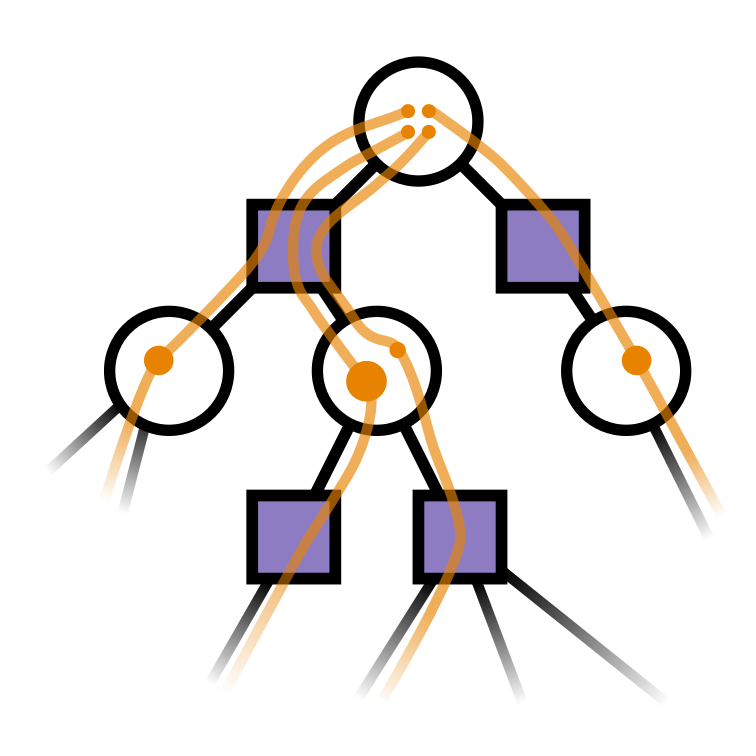

[Sunberg and Kochenderfer, ICAPS 2018, T-ITS 2022]
How do we prove convergence?
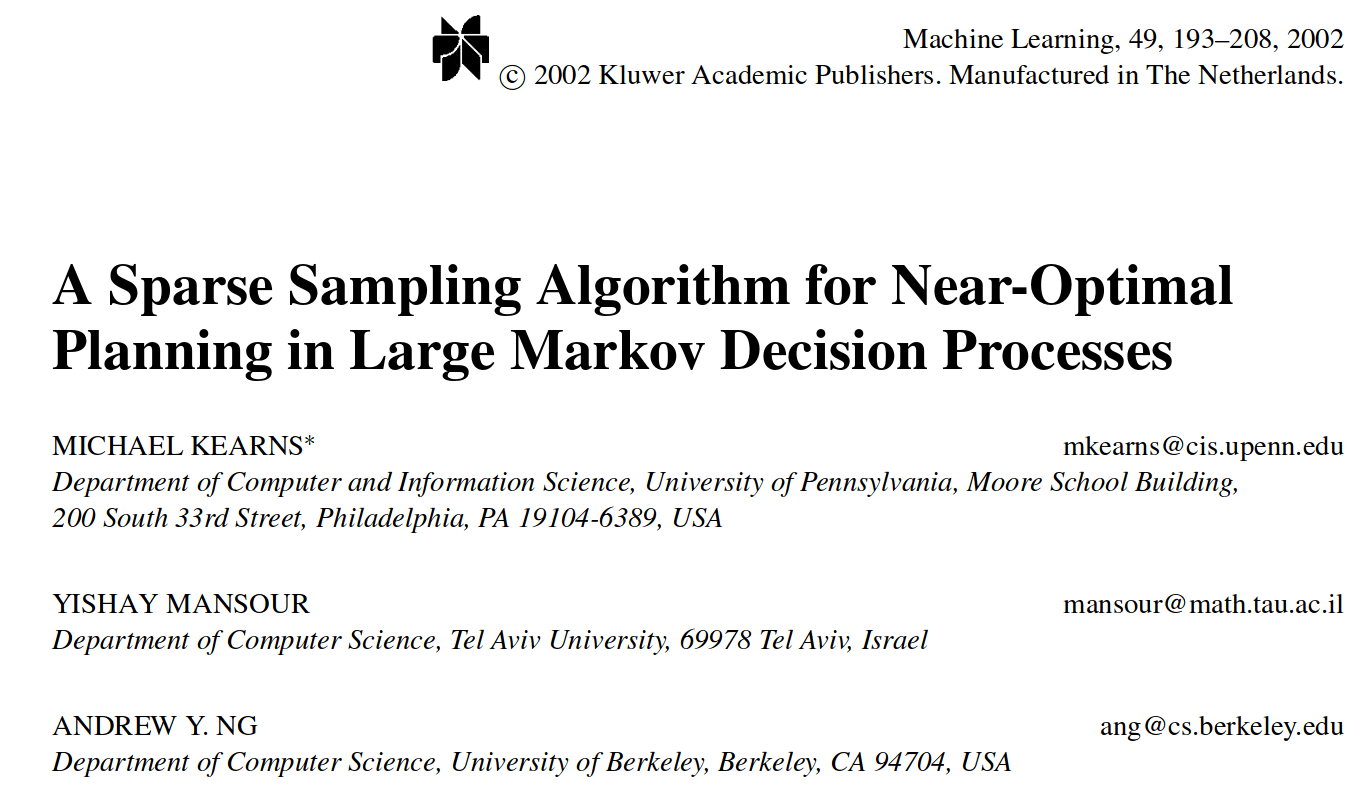
Key 1: Self Normalized Infinite Renyi Divergence Concentation
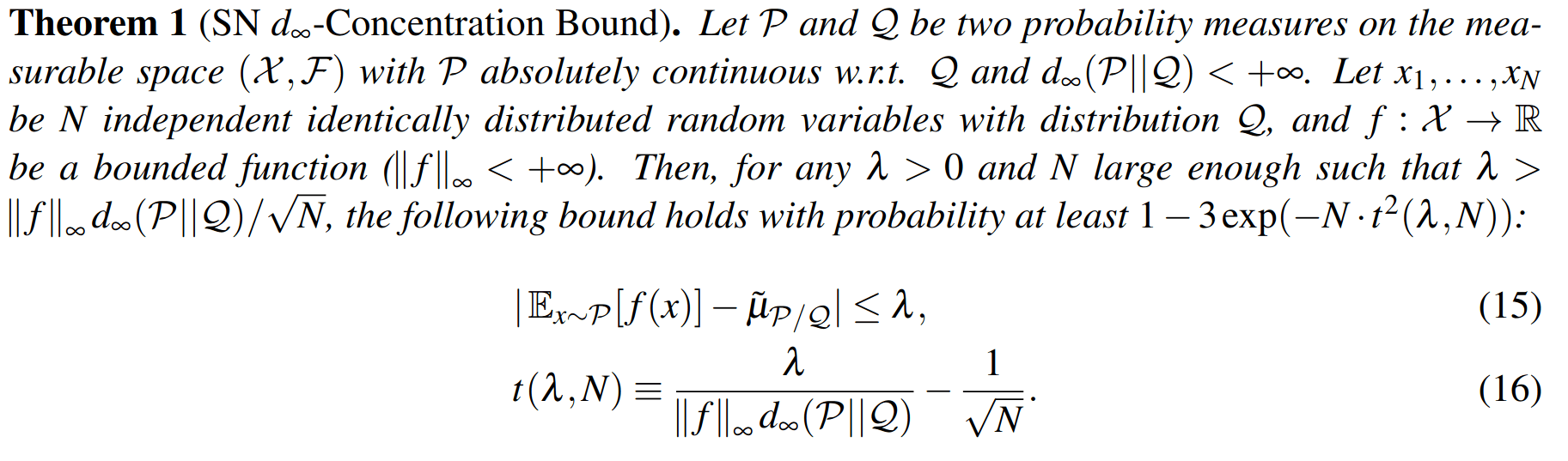
\(\mathcal{P}\): state distribution conditioned on observations (belief)
\(\mathcal{Q}\): marginal state distribution (proposal)
Key 2: Sparse Sampling
Expand for all actions (\(\left|\mathcal{A}\right| = 2\) in this case)
...
Expand for all \(\left|\mathcal{S}\right|\) states
\(C=3\) states
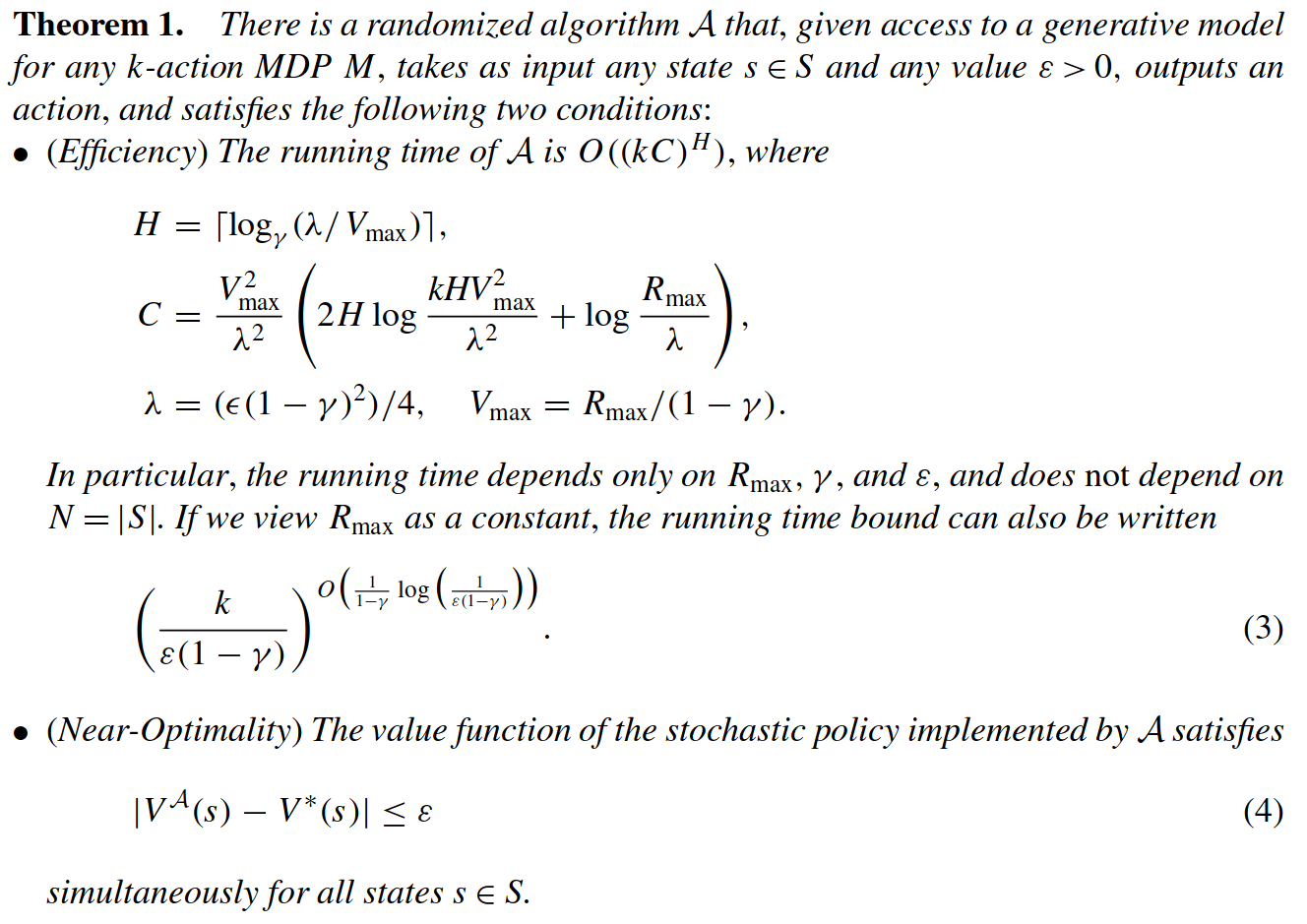
PF Approximation Accuracy
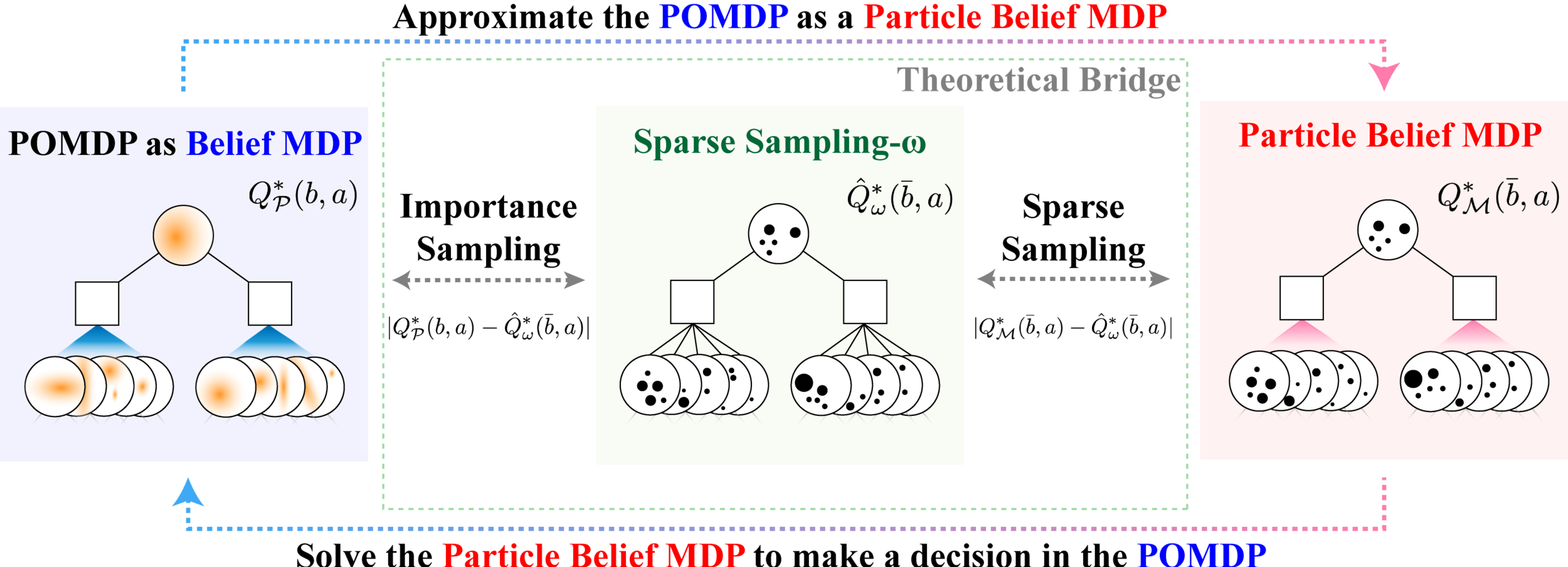
\[|Q_{\mathbf{P}}^*(b,a) - Q_{\mathbf{M}_{\mathbf{P}}}^*(\bar{b},a)| \leq \epsilon \quad \text{w.p. } 1-\delta\]
For any \(\epsilon>0\) and \(\delta>0\), if \(C\) (number of particles) is high enough,
[Lim, Becker, Kochenderfer, Tomlin, & Sunberg, JAIR 2023]
No direct dependence on \(|\mathcal{S}|\) or \(|\mathcal{O}|\)!

Particle belief planning suboptimality
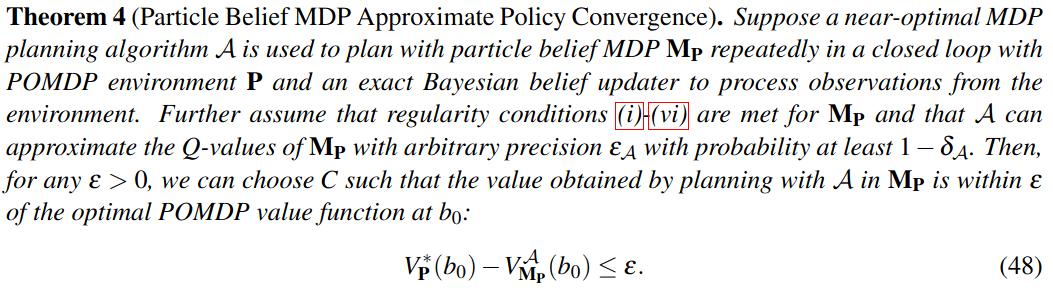
\(C\) is too large for any direct safety guarantees. But, in practice, works extremely well for improving efficiency.
[Lim, Becker, Kochenderfer, Tomlin, & Sunberg, JAIR 2023]
Why are POMDPs difficult?
- Curse of History
- Curse of dimensionality
- State space
- Observation space
- Action space
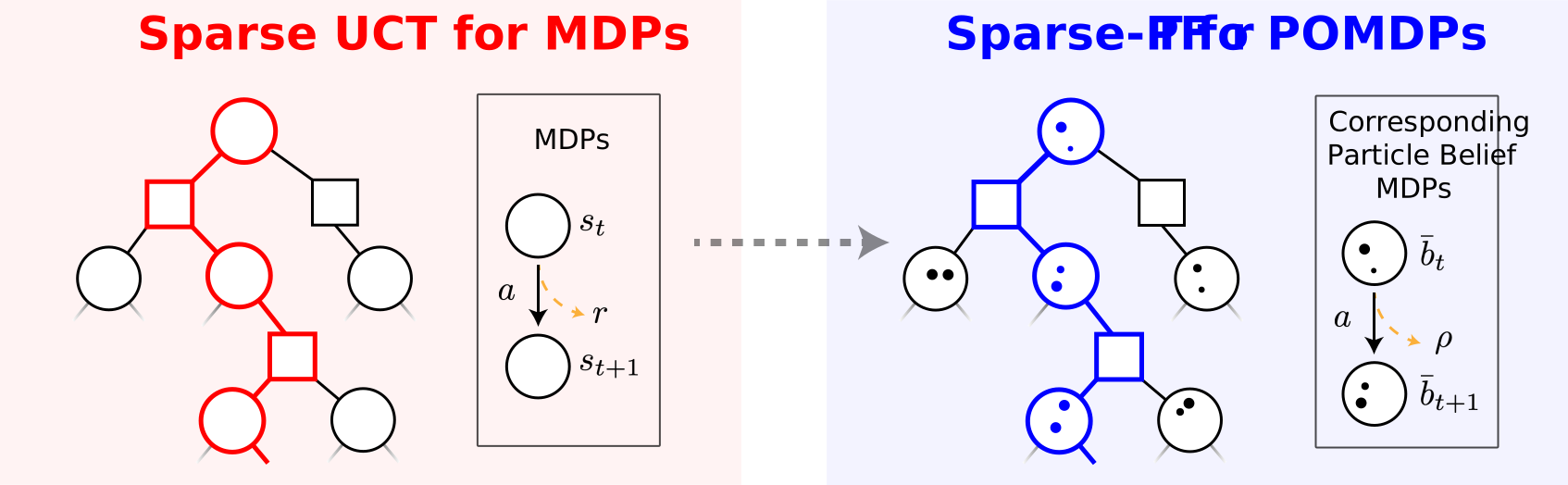
Tree size: \(O\left(\left(|A|C\right)^D\right)\)
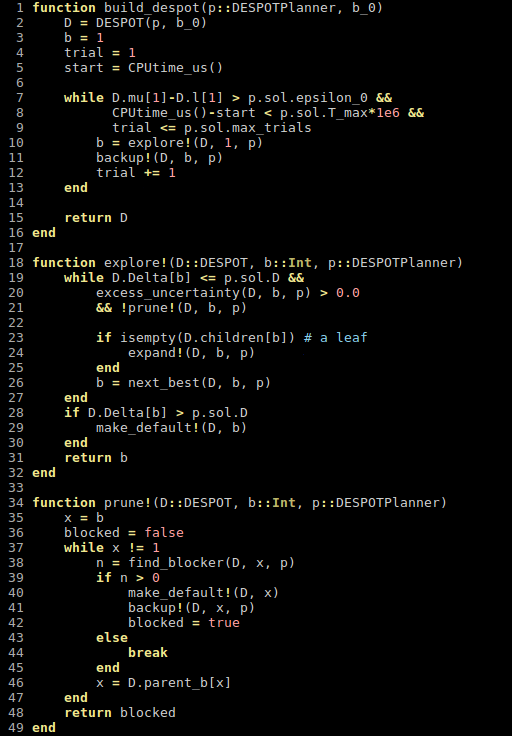
Solve simplified surrogate problem for policy deep in the tree
[Lim, Tomlin, and Sunberg, 2021]
Part III: Applications
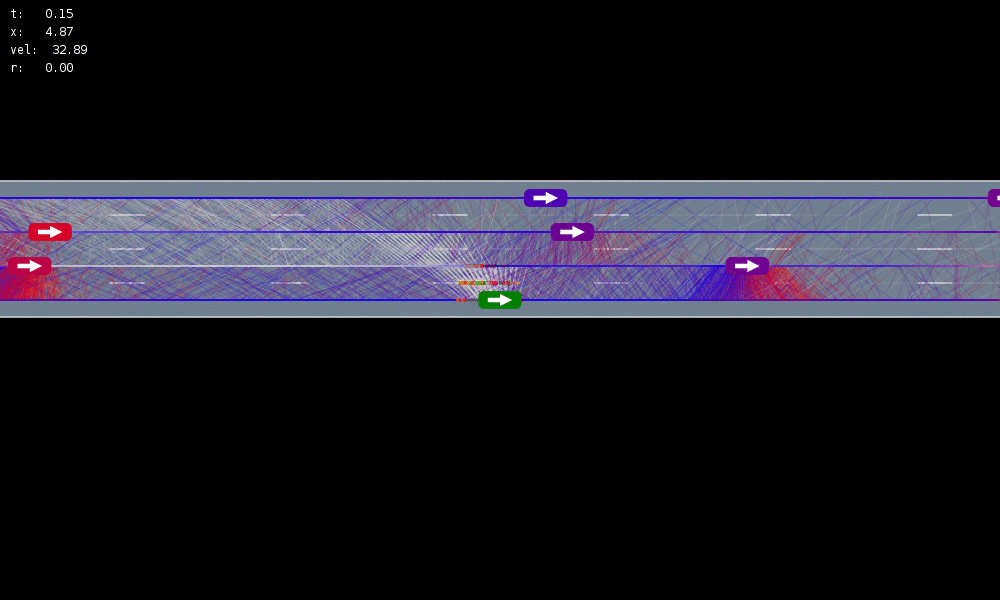
Example 1: Autonomous Driving
POMDP Formulation
\(s=\left(x, y, \dot{x}, \left\{(x_c,y_c,\dot{x}_c,l_c,\theta_c)\right\}_{c=1}^{n}\right)\)
\(o=\left\{(x_c,y_c,\dot{x}_c,l_c)\right\}_{c=1}^{n}\)
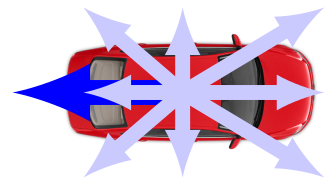
\(a = (\ddot{x}, \dot{y})\), \(\ddot{x} \in \{0, \pm 1 \text{ m/s}^2\}\), \(\dot{y} \in \{0, \pm 0.67 \text{ m/s}\}\)
R(s, a, s') = \text{in\_goal}(s') - \lambda \left(\text{any\_hard\_brakes}(s, s') + \text{any\_too\_slow}(s')\right)
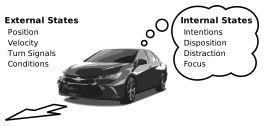
Ego external state
External states of other cars
Internal states of other cars (IDM Parameters)
External states of other cars

- Actions shielded (based only on external states) so they can never cause crashes
- Braking action always available
Efficiency
Safety


MDP trained on normal drivers


MDP trained on all drivers
Omniscient
POMCPOW (Ours)
Simulation results
[Sunberg & Kochenderfer, T-ITS 2023]
Driving among Pedestrians
[Gupta, Hayes, & Sunberg, AAMAS 2022]
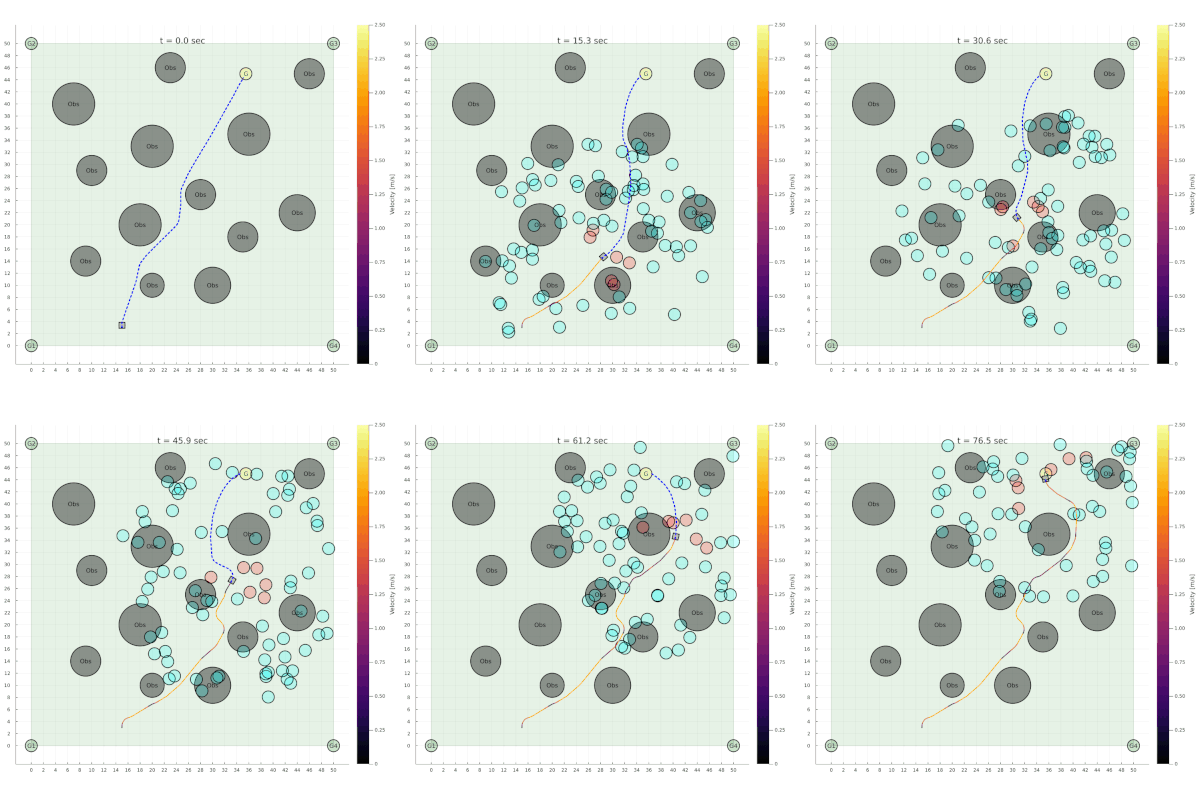
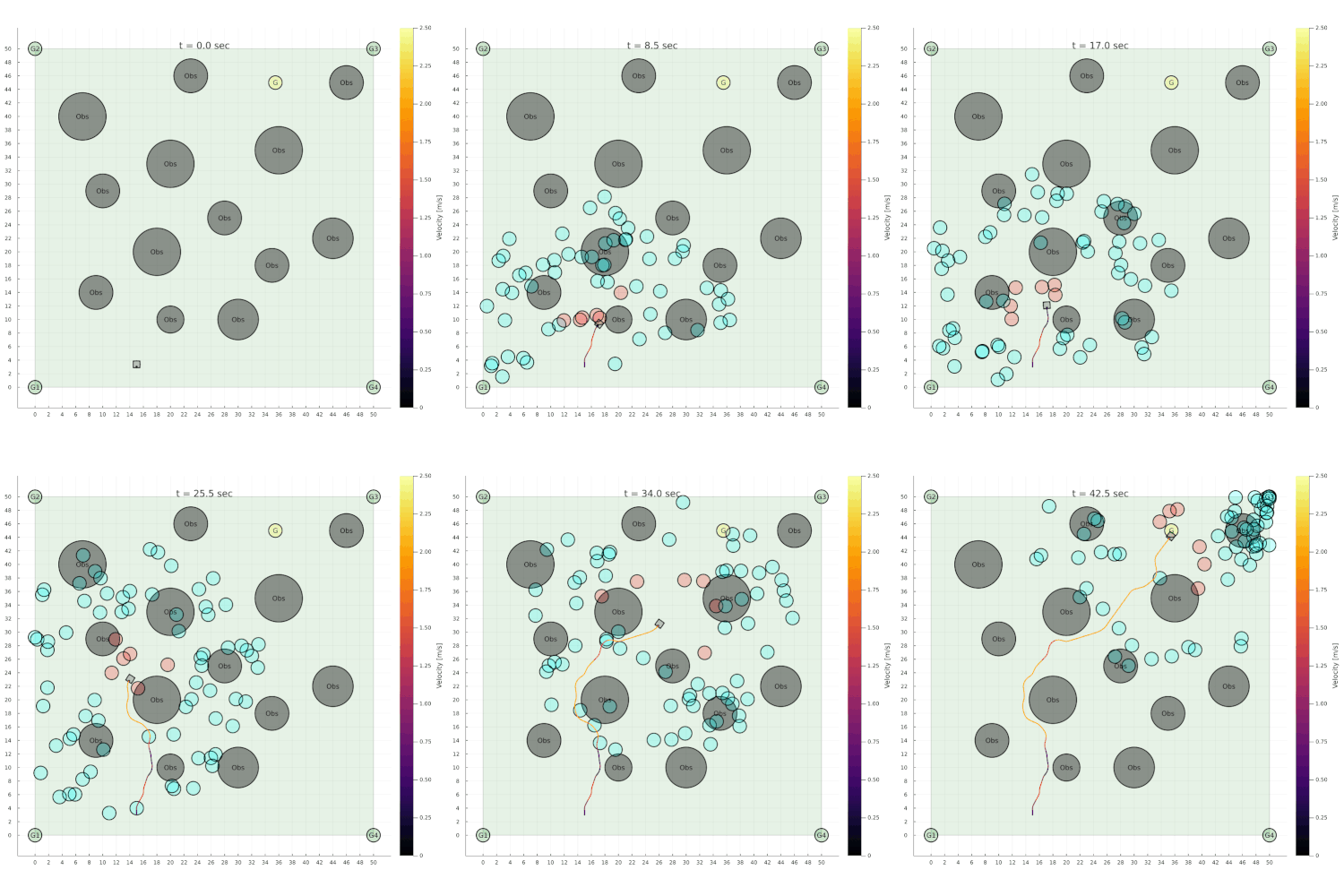
Previous solution: 1-D POMDP (92s avg)
Our solution (65s avg)
State:
- Vehicle physical state
- Human physical state
- Human intention
Target Tracking Among Pedestrians
State:
- Vehicle physical state
- Human physical state
- Human intention
- Target location

Max Likelihood Motion-Planning-Based
POMDP
Example 2: Meteorology
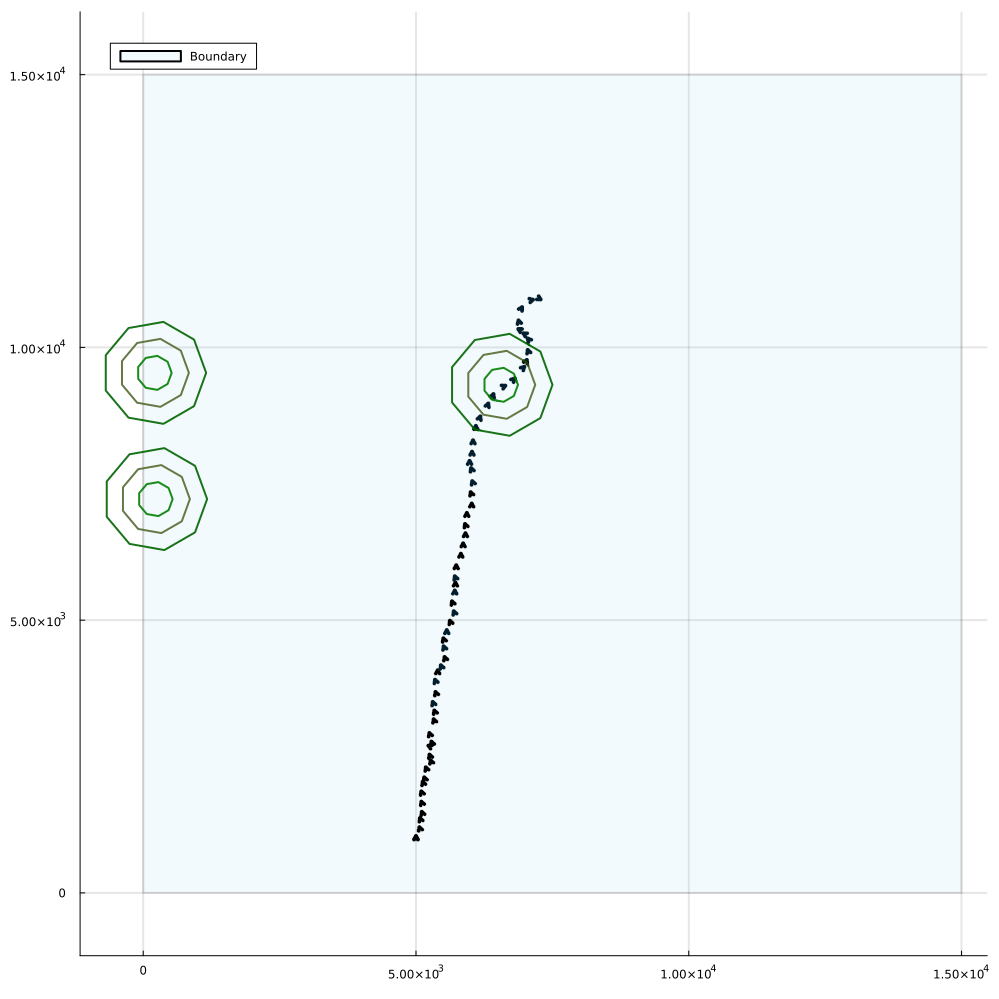
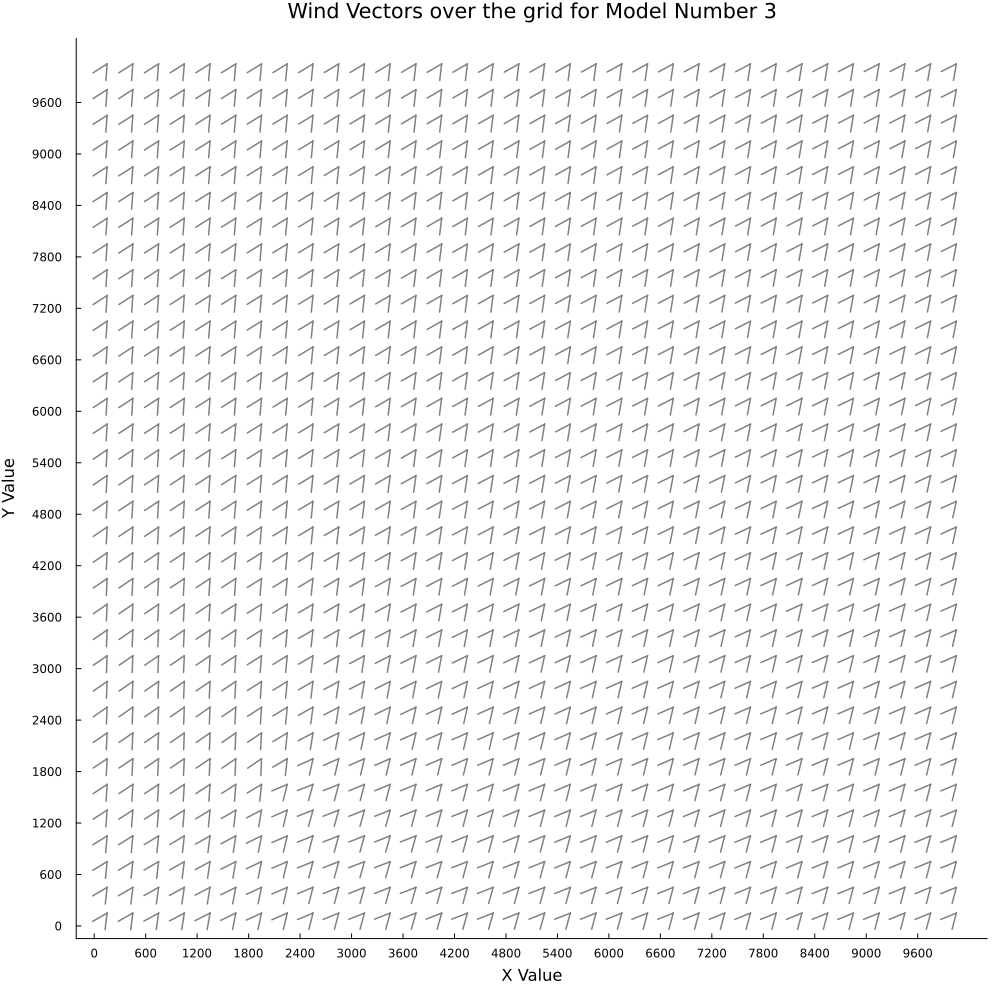
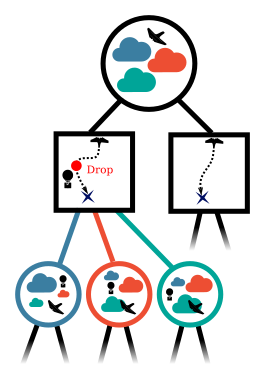
- State: physical state of aircraft, weather
- Belief: Weighting over several forecast ensemble members
- Action: flight direction, drifter deploy
- Reward: Terminal reward for correct weather prediction
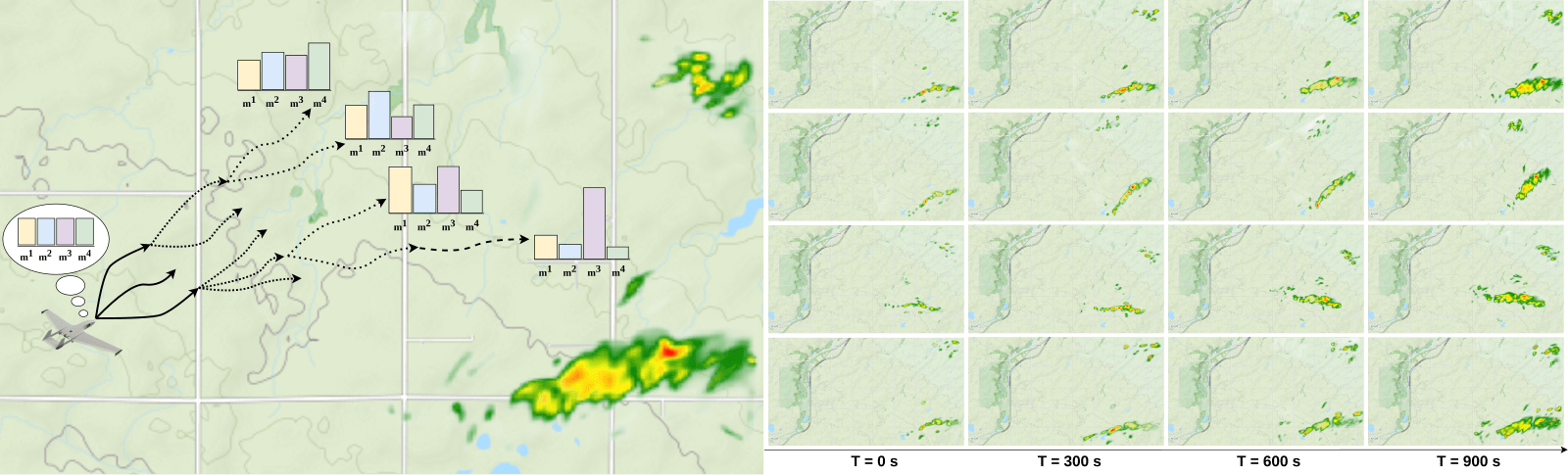
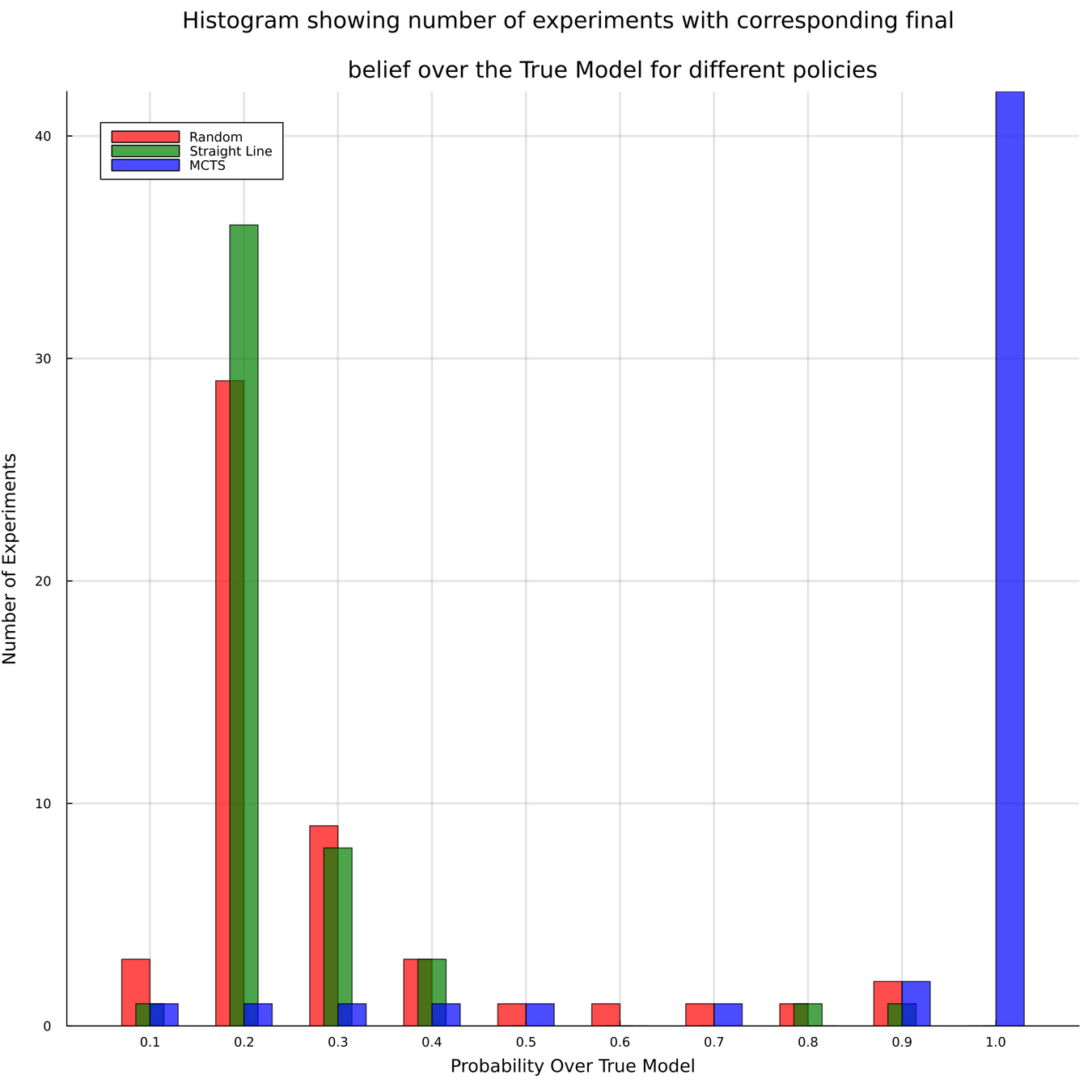
Example 2: Tornado Prediction
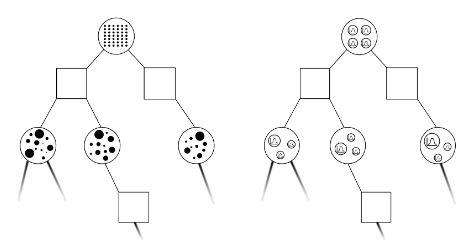
Rao-Blackwellized POMCPOW
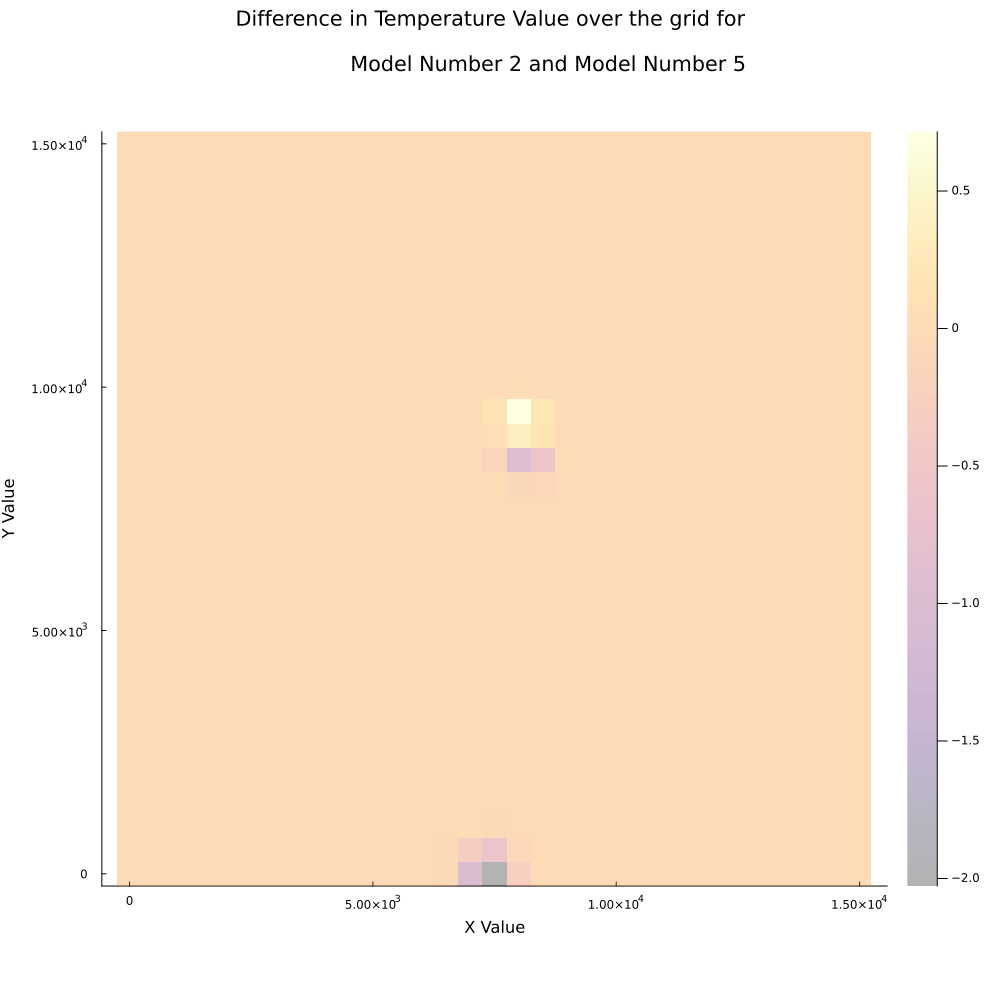
- 30 ensemble members is not enough to capture the weather.
- Possible way forward: Rao-Blackwellize the particles
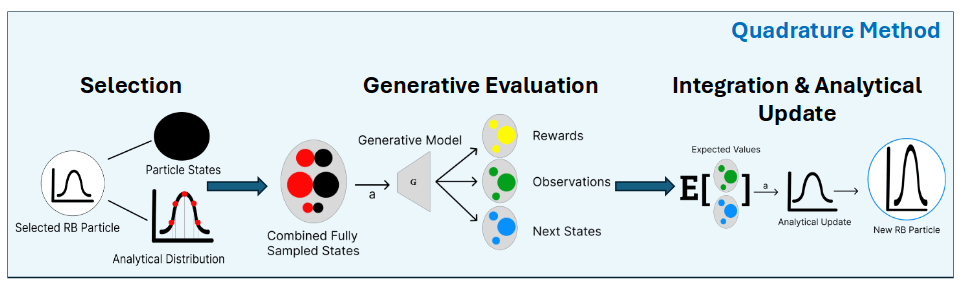
[Lee, Wray, Sunberg, Ahmed, ICRA 2026]
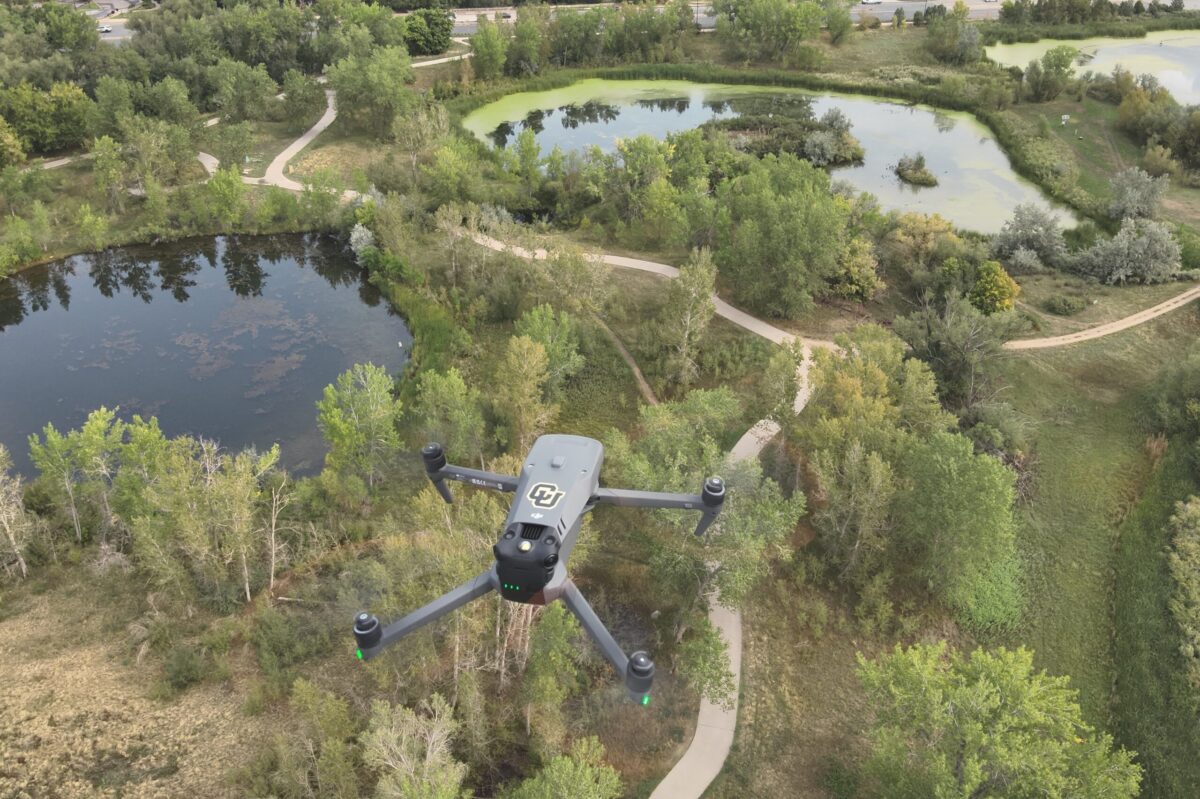
Drone Search and Rescue
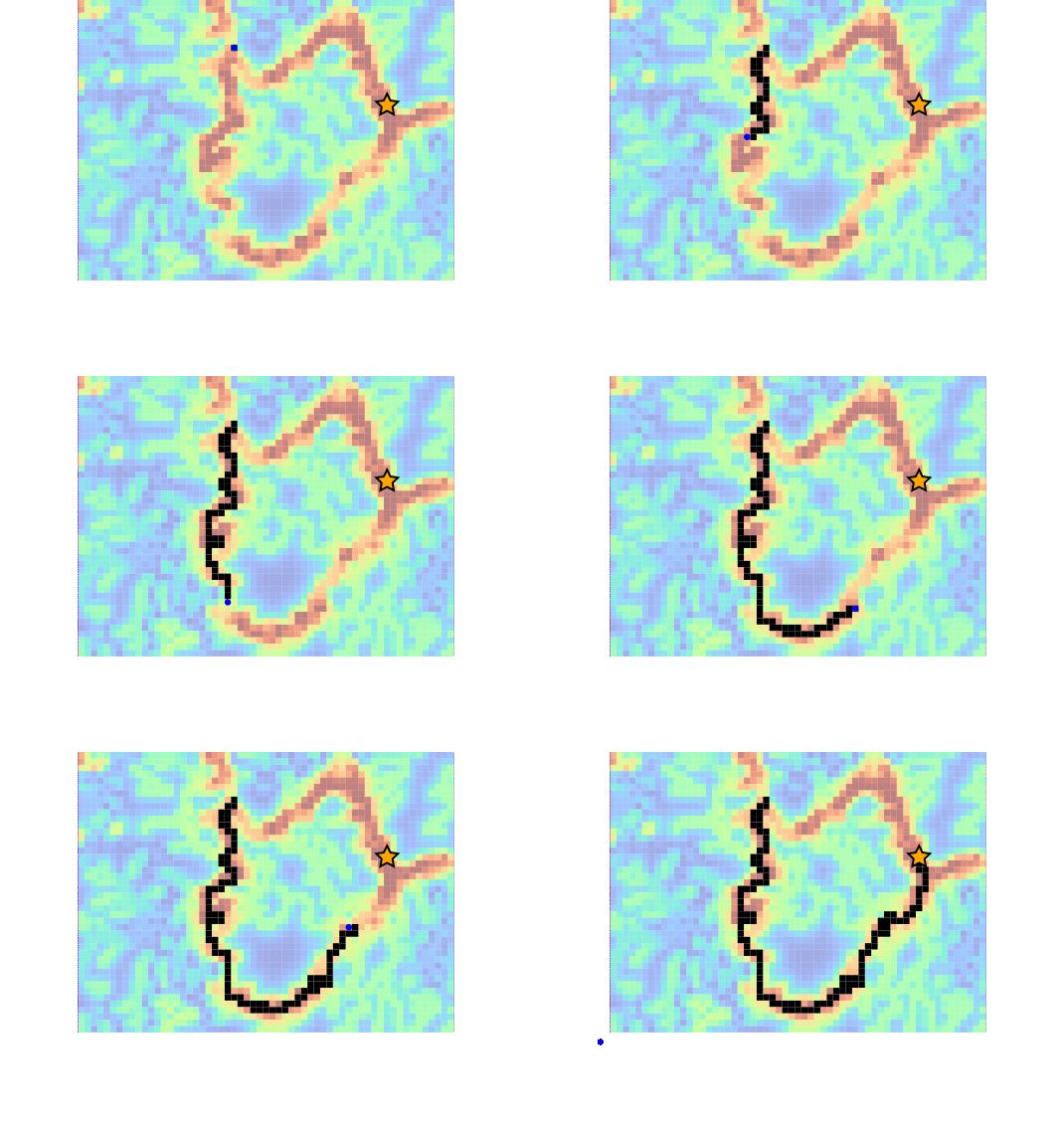
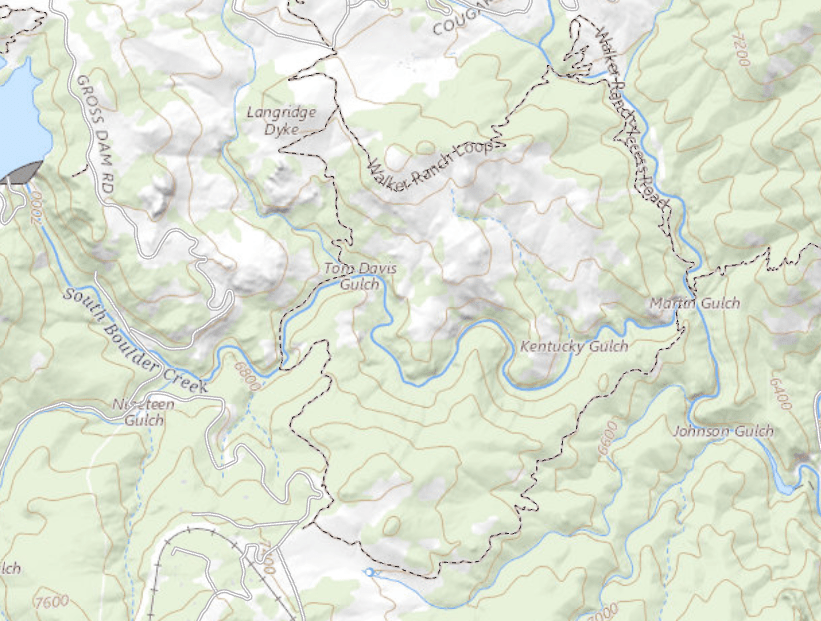
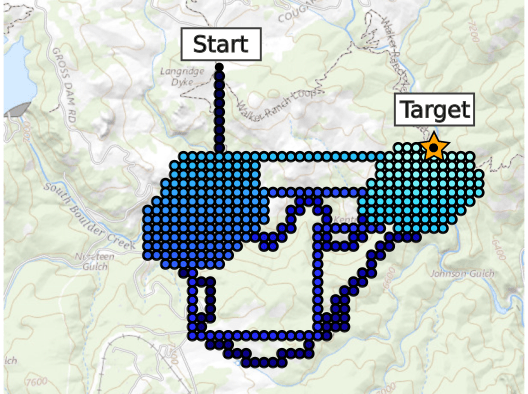

State:
- Location of Drone
- Location of Human
Baseline
Our POMDP Planner
[Ray, Laouar, Sunberg, & Ahmed, ICRA 2023]
Drone Search and Rescue
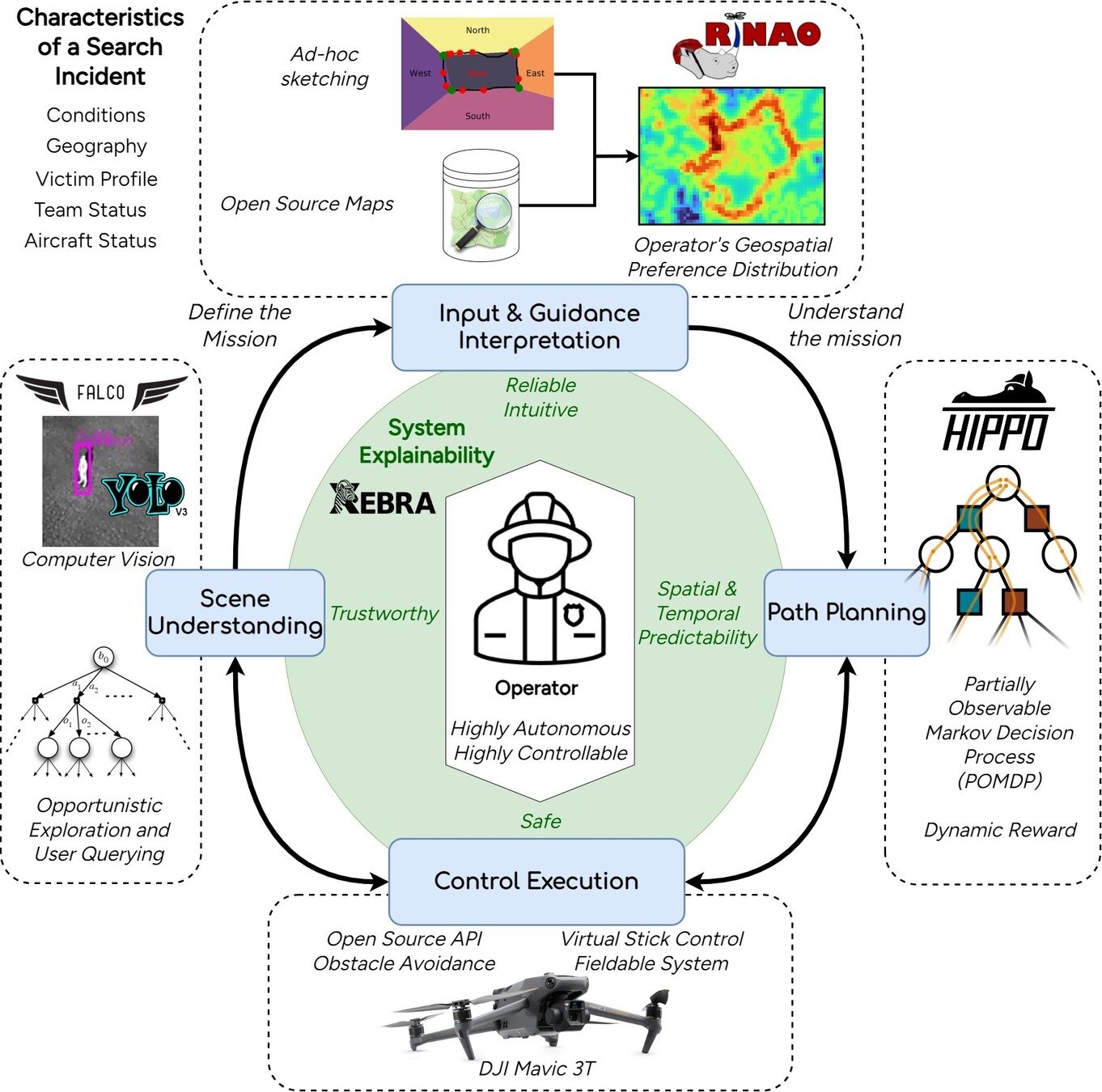

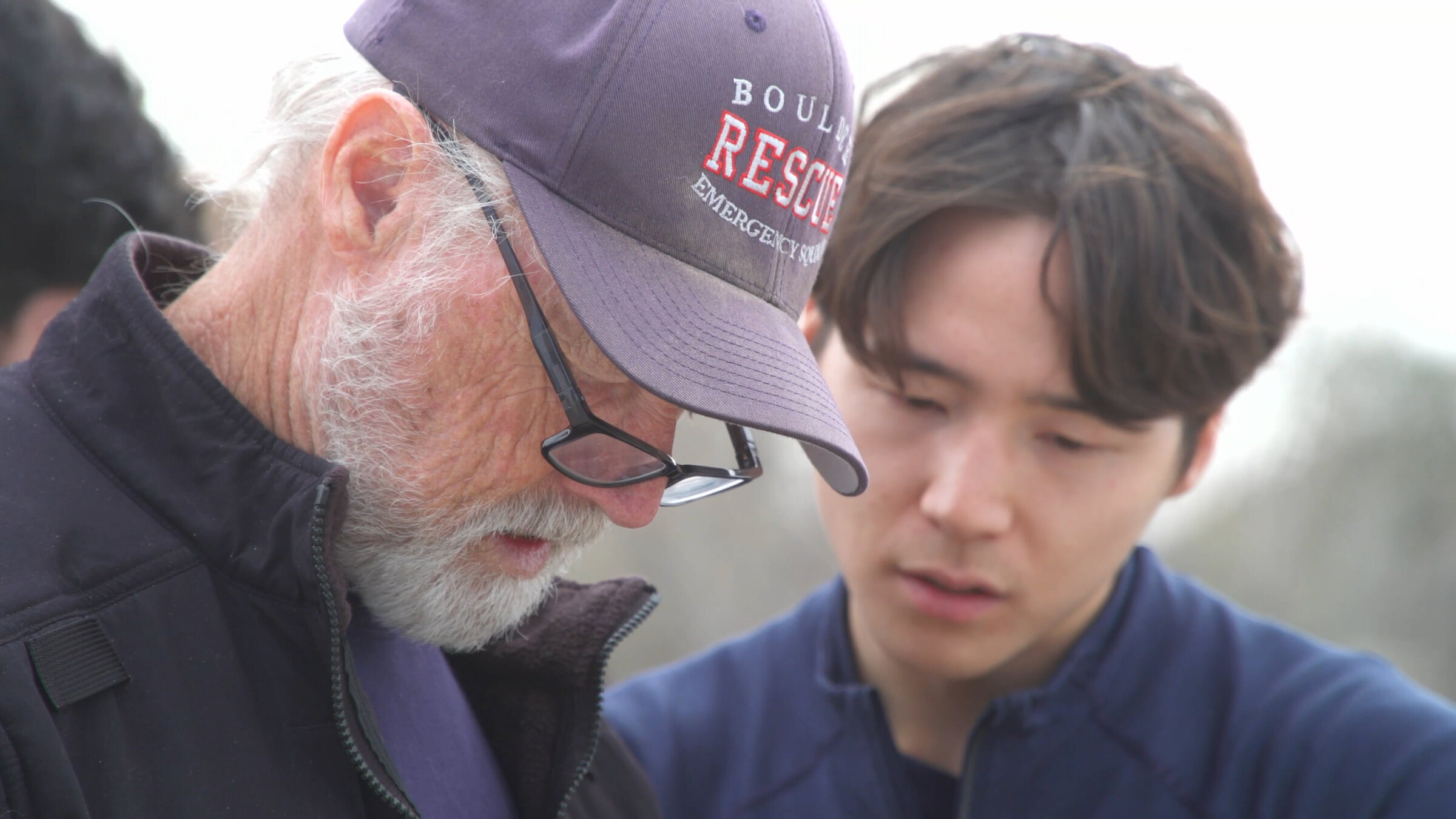
[Ray, Laouar, Sunberg, & Ahmed, ICRA 2023]

Space Domain Awareness
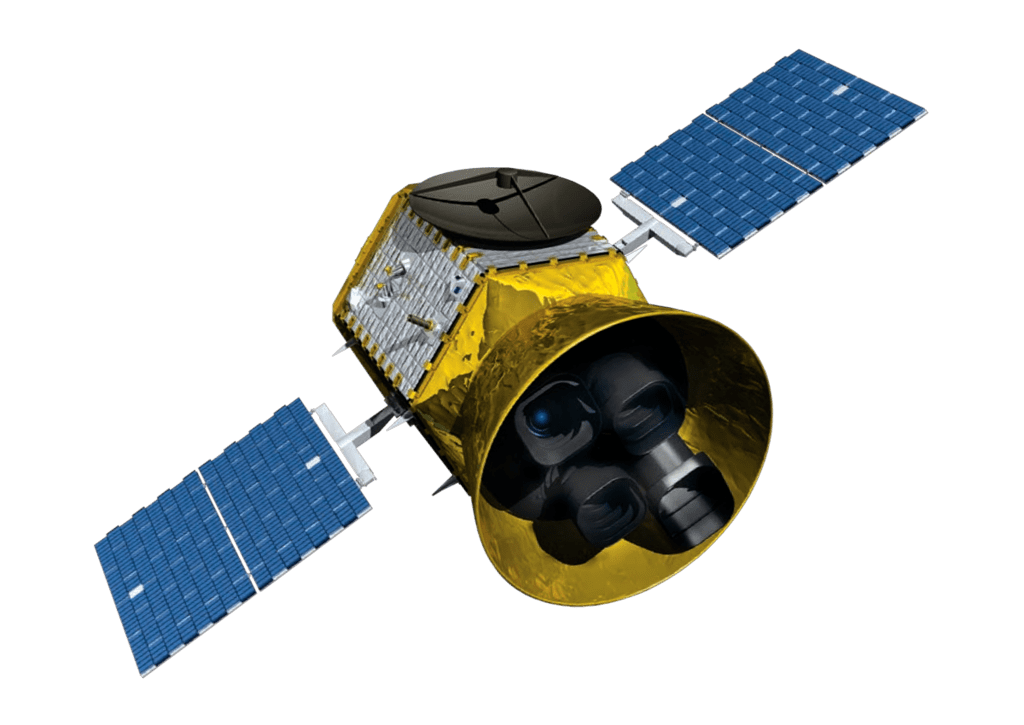
State:
- Position, velocity of object-of-interest
- Anomalies: navigation failure, suspicious maneuver, thruster failure, etc.
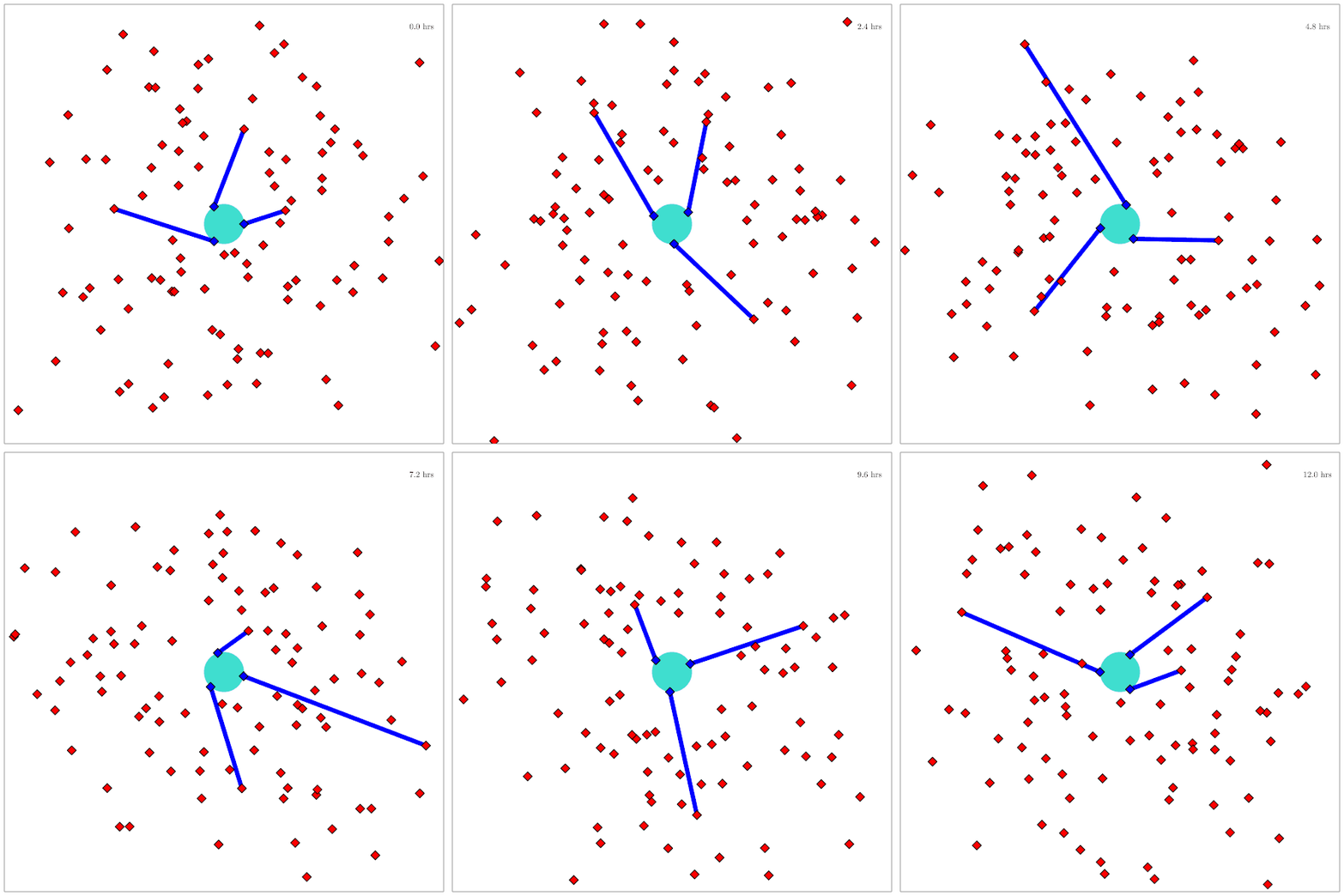
Catalog Maintenance Plan

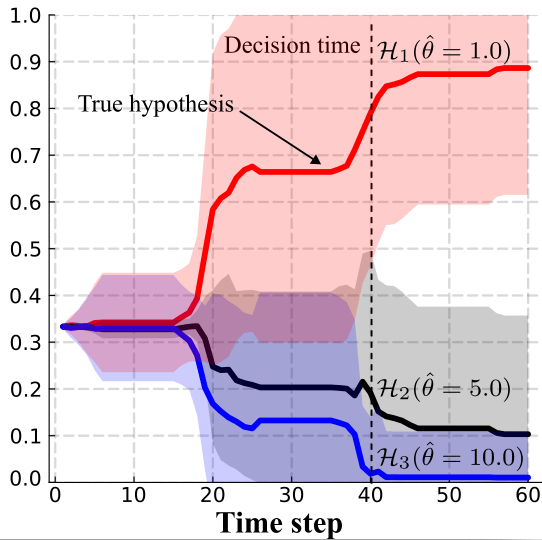
[Dagan, Becker, & Sunberg, AMOS 2025]
Part IV: Multiple Agents
Partially Observable Markov Decision Process (POMDP)
- \(\mathcal{S}\) - State space
- \(T:\mathcal{S}\times \mathcal{A} \times\mathcal{S} \to \mathbb{R}\) - Transition probability distribution
- \(\mathcal{A}\) - Action space
- \(R:\mathcal{S}\times \mathcal{A} \to \mathbb{R}\) - Reward
- \(\mathcal{O}\) - Observation space
- \(Z:\mathcal{S} \times \mathcal{A}\times \mathcal{S} \times \mathcal{O} \to \mathbb{R}\) - Observation probability distribution
Aleatory
Epistemic (Static)
Epistemic (Dynamic)
Partially Observable Stochastic Game (POSG)
Aleatory
Epistemic (Static)
Epistemic (Dynamic)
Strategic
- \(\mathcal{S}\) - State space
- \(T(s' \mid s, \bm{a})\) - Transition probability distribution
- \(\mathcal{A}^i, \, i \in 1..k\) - Action spaces
- \(R^i(s, \bm{a})\) - Reward function (cooperative, opposing, or somewhere in between)
- \(\mathcal{O}^i, \, i \in 1..k\) - Observation spaces
- \(Z(o^i \mid \bm{a}, s')\) - Observation probability distributions
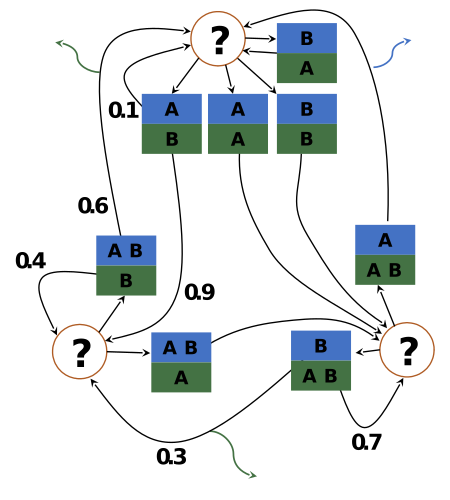
POSG Example: Missile Defense
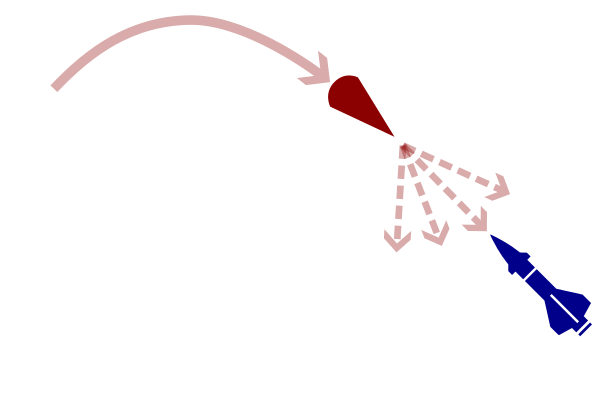
POMDP Solution:
- Assume a distribution for the missile's actions
- Update belief according to this distribution
- Use a POMDP planner to find the best defensive action
Need some Game Theory!
Nash equilibrium: All players play a best response to the other players
A shrewd missile operator will use different actions, invalidating our belief
Simplified Missile Defense Game
|
|
|
|
|
Attacker
Defender
Up
Down
Up
Down
-1, 1
1, -1
1, -1
-1, 1
Collision
Collision
No Pure Nash Equilibrium!
Need a broader solution concept: Mixed Nash equilibrium (includes deceptive behavior like bluffing)
Nash equilibrium: All players play a best response to the other players
Tabletop Game: Go
Improvements Needed
- Simultaneous Play
- State Uncertainty

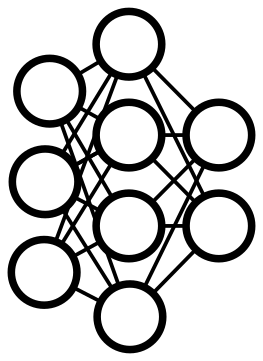
Policy Network
Value Network
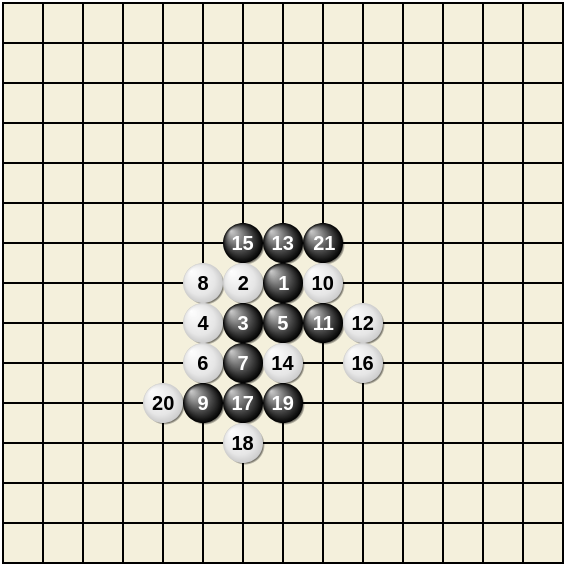
1. Simultaneous Play
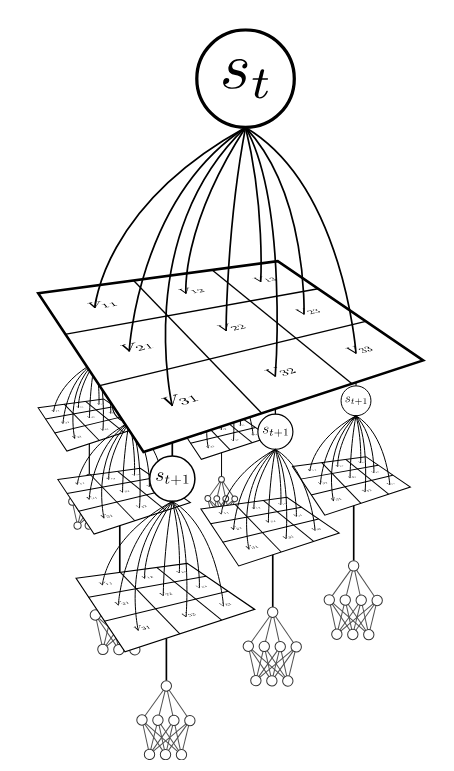
1. Exploration

2. Selection
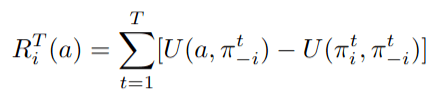
20 steps of regret matching on \(\tilde{A}\)

3. Networks
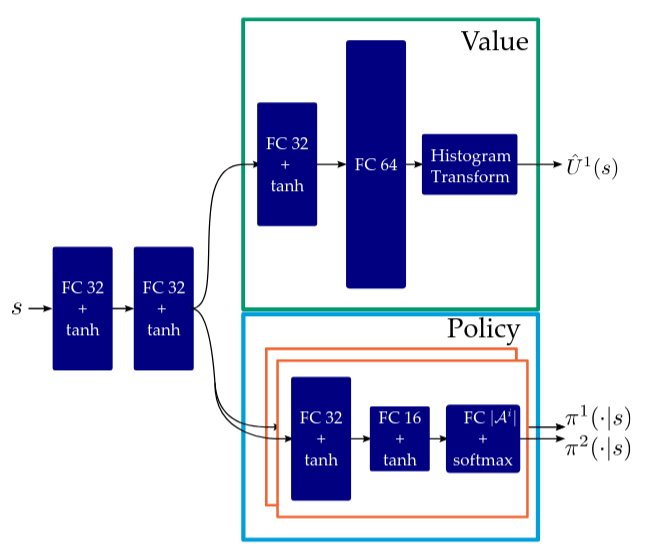
Policy trained to match solution to \(\bar{A}\)
Value distribution trained on sim outcomes
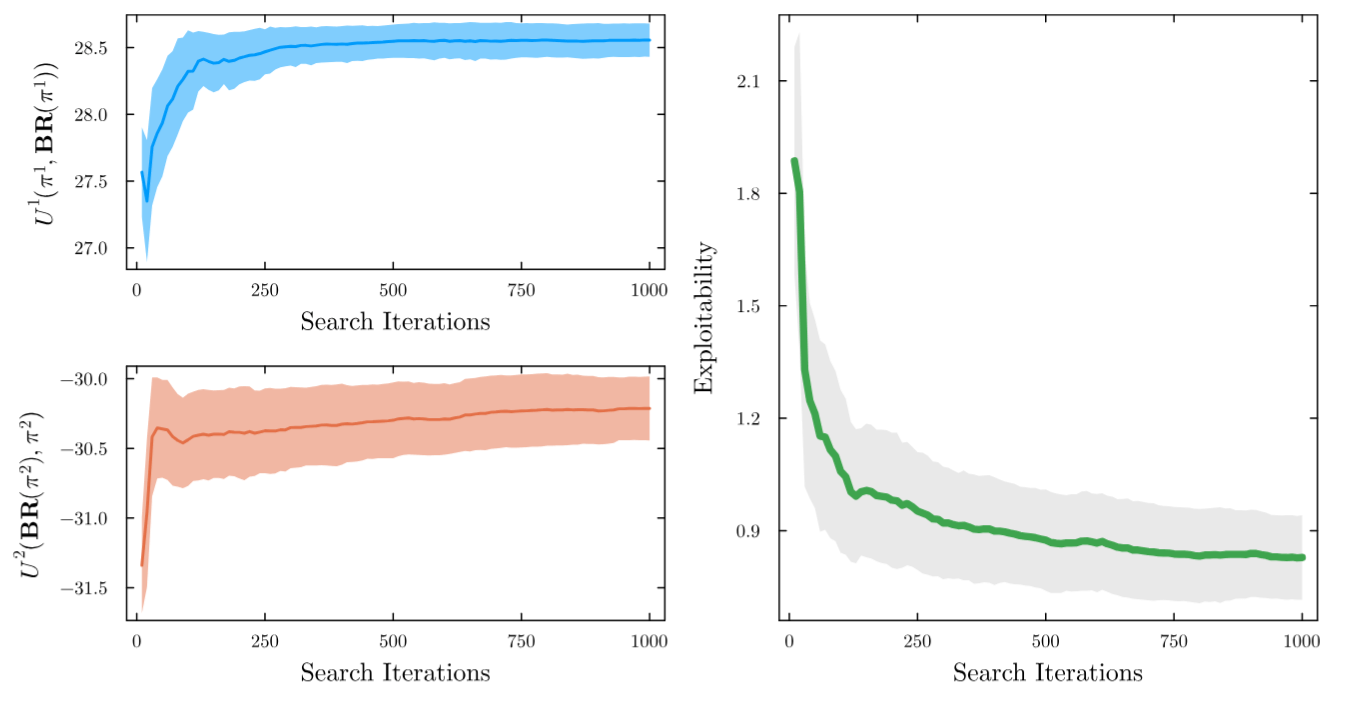
[Becker & Sunberg, AMOS 2025]

1. Simultaneous Play:
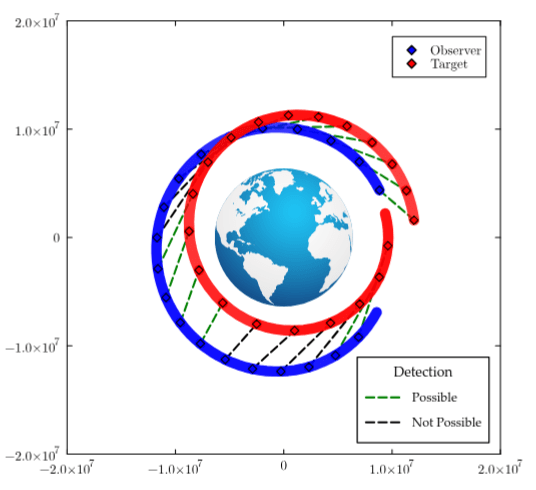
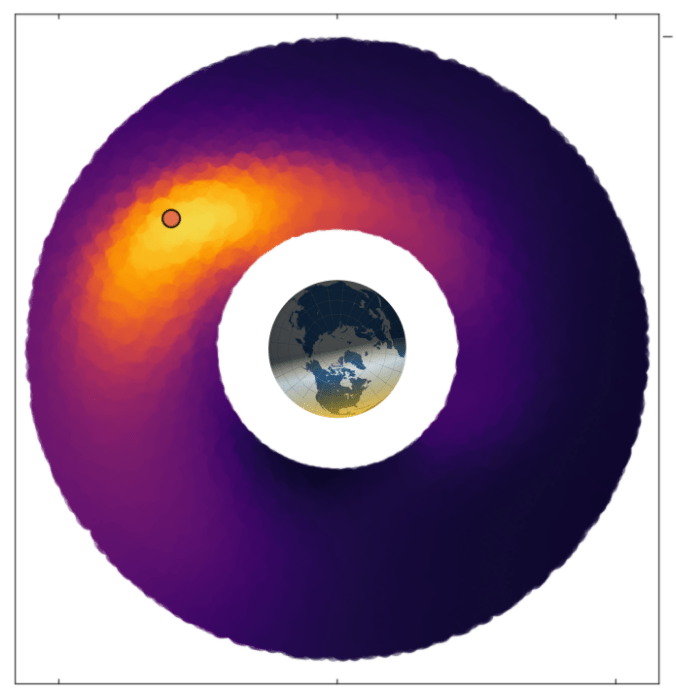
Space Domain Awareness
[Becker & Sunberg, AMOS 2025]
What about state uncertainty?
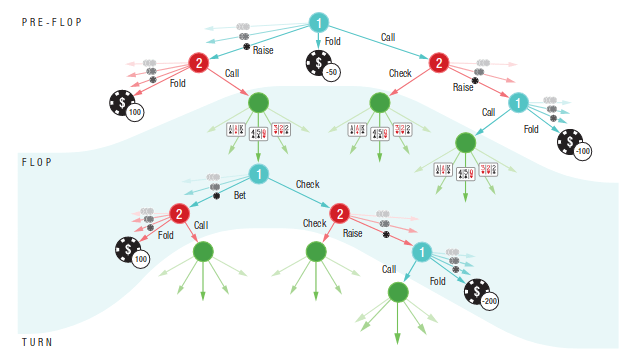
Tabletop Game 2: Poker
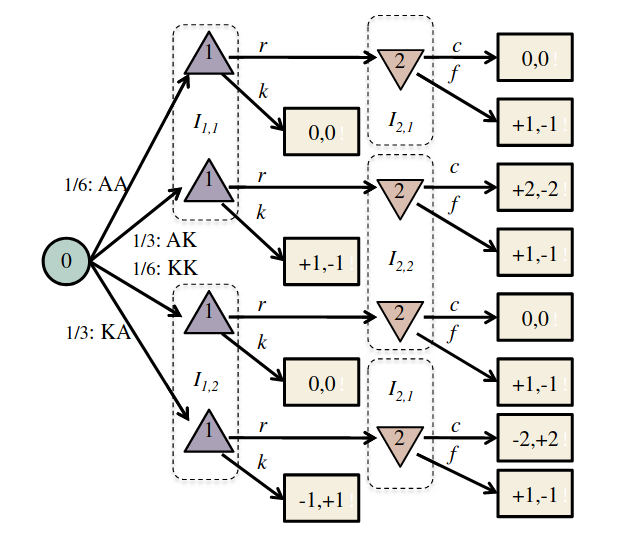
Image: Russel & Norvig, AI, a modern approach
P1: A
P1: K
P2: A
P2: A
P2: K
2. State Uncertainty in Games
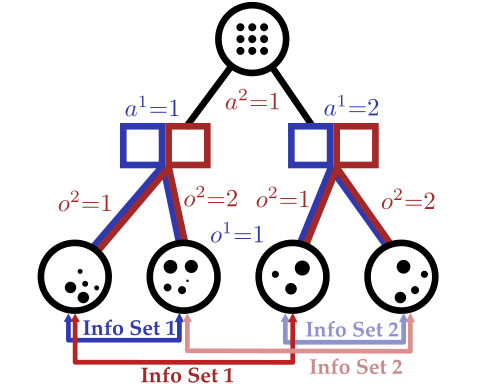
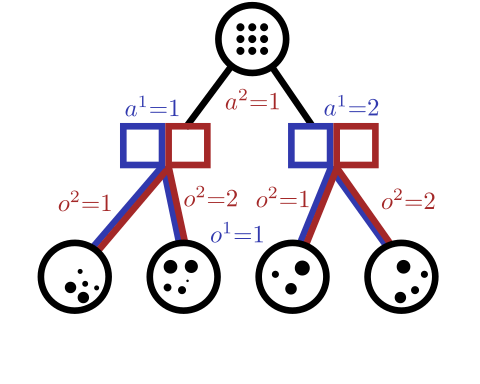
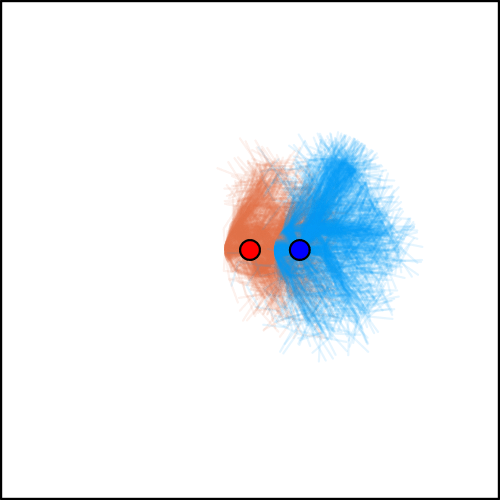
[Becker & Sunberg, AAMAS 2025 Short Paper]
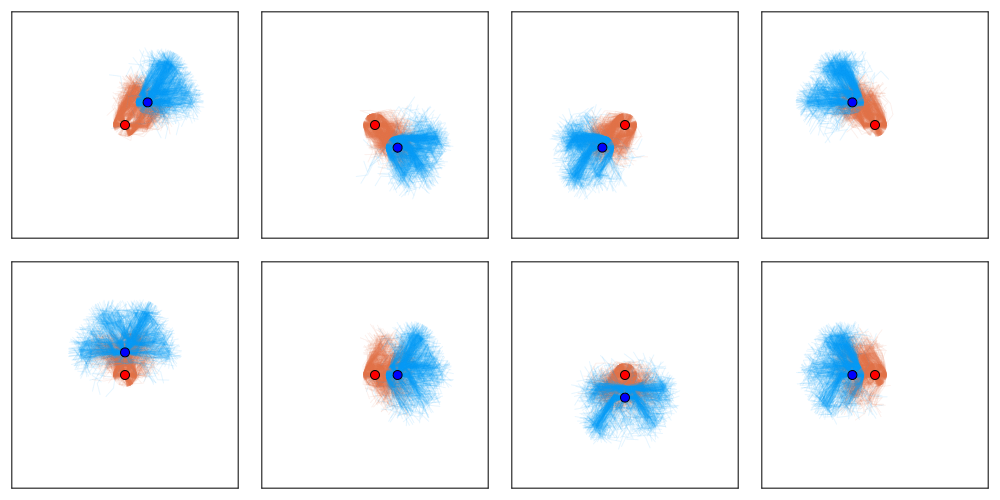
2. State Uncertainty in Games
[Becker & Sunberg, AAMAS 2025 Short Paper]
Open Source Software!
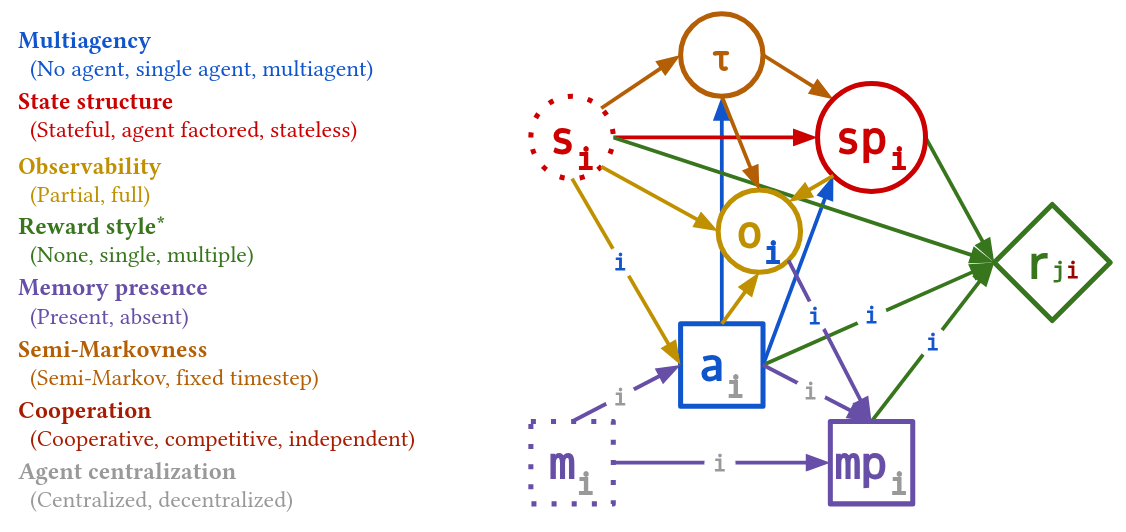
[Krusniak et al. AAMAS 2026]
Decisions.jl
Arbitrary Dynamic Decision Networks
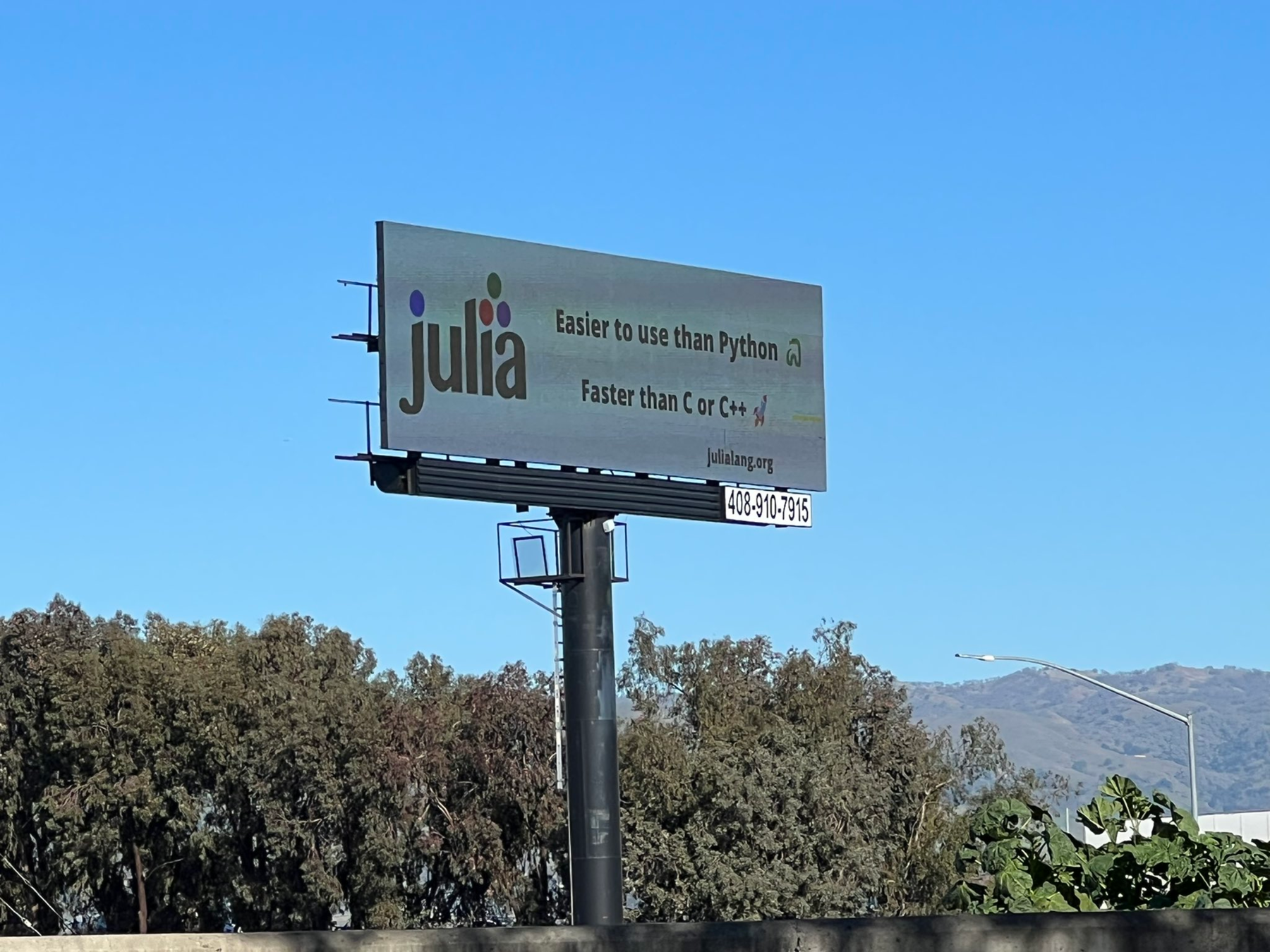
POMDPs.jl
using POMDPs, QuickPOMDPs, POMDPTools, QMDP

m = QuickPOMDP(
    states = ["left", "right"],
    actions = ["left", "right", "listen"],
    observations = ["left", "right"],
    initialstate = Uniform(["left", "right"]),
    discount = 0.95,

    transition = function (s, a)
        if a == "listen"
            return Deterministic(s)
        else # a door is opened
            return Uniform(["left", "right"]) # reset
        end
    end,

    observation = function (s, a, sp)
        if a == "listen"
            if sp == "left"
                return SparseCat(["left", "right"], [0.85, 0.15])
            else
                return SparseCat(["right", "left"], [0.85, 0.15])
            end
        else
            return Uniform(["left", "right"])
        end
    end,

    reward = function (s, a)
        if a == "listen"
            return -1.0
        elseif s == a # the tiger was found
            return -100.0
        else # the tiger was escaped
            return 10.0
        end
    end
)

solver = QMDPSolver()
policy = solve(solver, m)
Thank You!







Funding orgs: (all opinions are my own)



Part V: Open Source Research Software
Good Examples
- Open AI Gym interface
- OMPL
- ROS
Challenges for POMDP Software
- There is a huge variety of
- Problems
- Continuous/Discrete
- Fully/Partially Observable
- Generative/Explicit
- Simple/Complex
- Solvers
- Online/Offline
- Alpha Vector/Graph/Tree
- Exact/Approximate
- Domain-specific heuristics
- Problems
- POMDPs are computationally difficult.
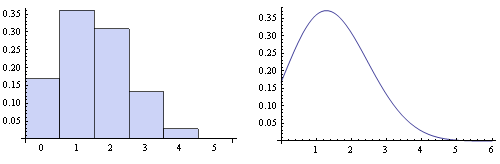
Explicit
Black Box
("Generative" in POMDP lit.)

\(s,a\)
\(s', o, r\)
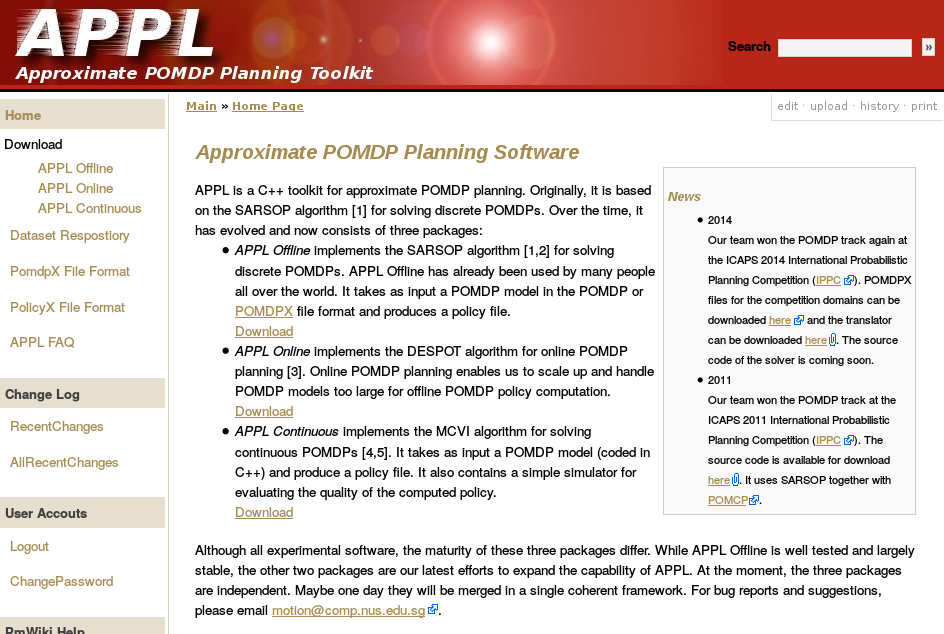
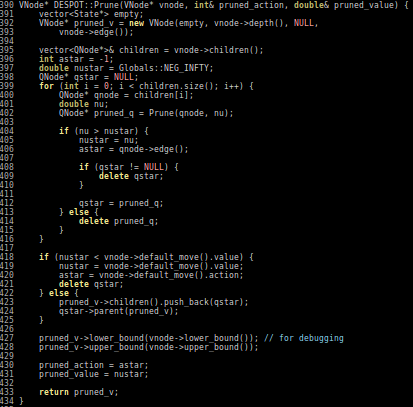
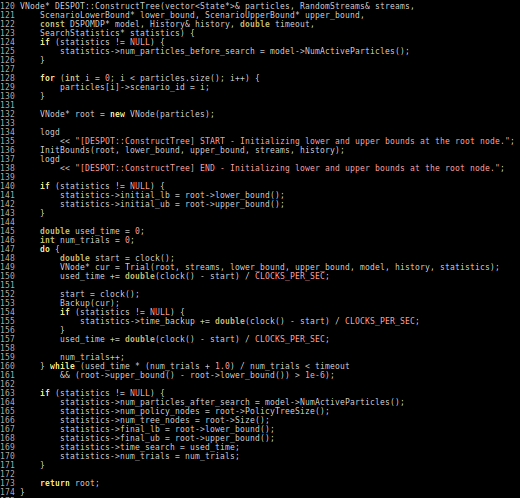
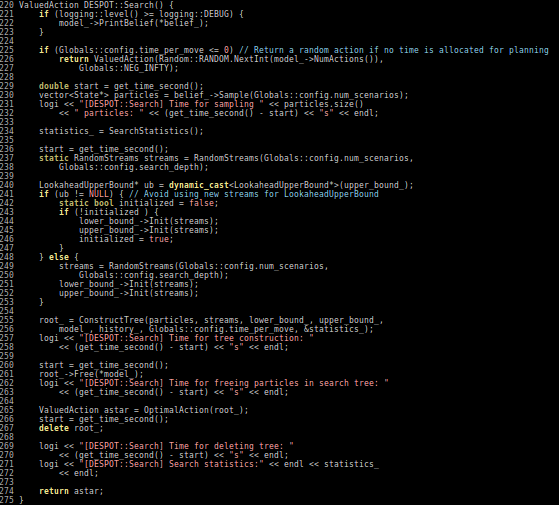
Previous C++ framework: APPL
"At the moment, the three packages are independent. Maybe one day they will be merged in a single coherent framework."
Open Source Research Software
- Performant
- Flexible and Composable
- Free and Open
- Easy for a wide range of people to use (for homework)
- Easy for a wide range of people to understand
C++
Python, C++
Python, Matlab
Python, Matlab
Python, C++
2013
We love [Matlab, Lisp, Python, Ruby, Perl, Mathematica, and C]; they are wonderful and powerful. For the work we do — scientific computing, machine learning, data mining, large-scale linear algebra, distributed and parallel computing — each one is perfect for some aspects of the work and terrible for others. Each one is a trade-off.
We are greedy: we want more.
2012
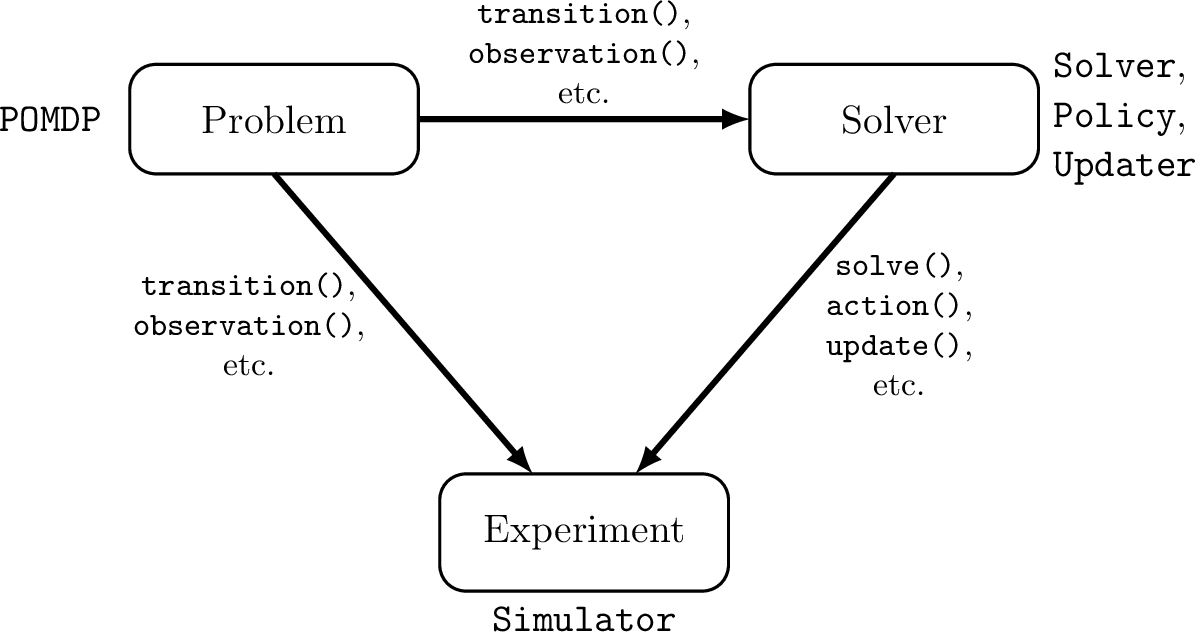

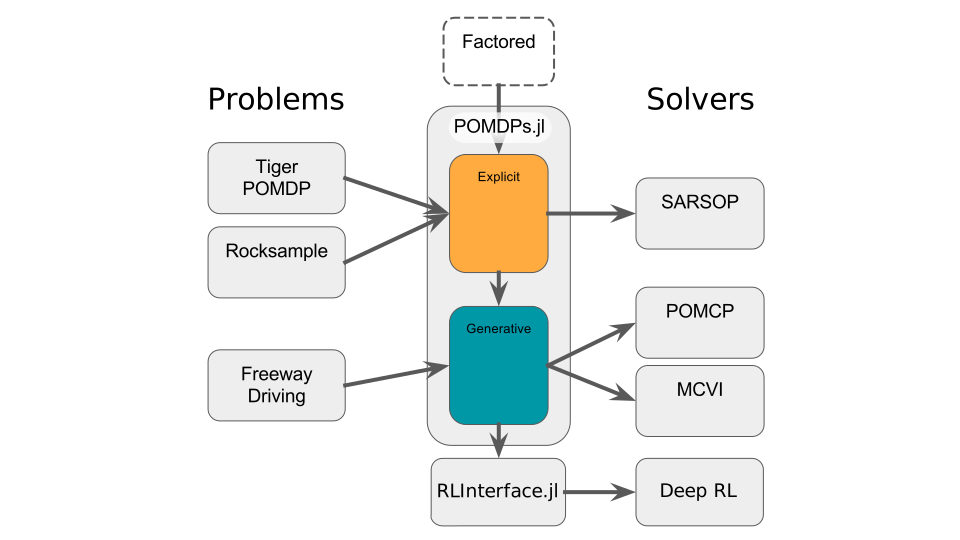
POMDPs.jl - An interface for defining and solving MDPs and POMDPs in Julia
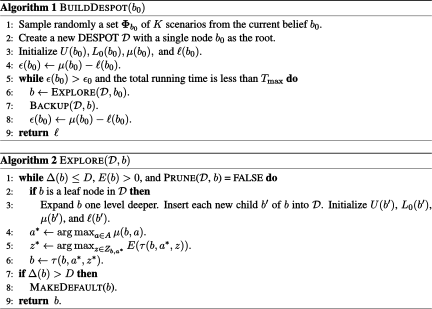
Mountain Car
partially_observable_mountaincar = QuickPOMDP(
    actions = [-1., 0., 1.],
    obstype = Float64,
    discount = 0.95,
    initialstate = ImplicitDistribution(rng -> (-0.2*rand(rng), 0.0)),
    isterminal = s -> s[1] > 0.5,

    gen = function (s, a, rng)
        x, v = s
        vp = clamp(v + a*0.001 + cos(3*x)*-0.0025, -0.07, 0.07)
        xp = x + vp
        if xp > 0.5
            r = 100.0
        else
            r = -1.0
        end
        return (sp=(xp, vp), r=r)
    end,

    observation = (a, sp) -> Normal(sp[1], 0.15)
)
using POMDPs
using QuickPOMDPs
using POMDPPolicies
using Compose
import Cairo
using POMDPGifs
import POMDPModelTools: Deterministic
mountaincar = QuickMDP(
function (s, a, rng)
x, v = s
vp = clamp(v + a*0.001 + cos(3*x)*-0.0025, -0.07, 0.07)
xp = x + vp
if xp > 0.5
r = 100.0
else
r = -1.0
end
return (sp=(xp, vp), r=r)
end,
actions = [-1., 0., 1.],
initialstate = Deterministic((-0.5, 0.0)),
discount = 0.95,
isterminal = s -> s[1] > 0.5,
render = function (step)
cx = step.s[1]
cy = 0.45*sin(3*cx)+0.5
car = (context(), circle(cx, cy+0.035, 0.035), fill("blue"))
track = (context(), line([(x, 0.45*sin(3*x)+0.5) for x in -1.2:0.01:0.6]), stroke("black"))
goal = (context(), star(0.5, 1.0, -0.035, 5), fill("gold"), stroke("black"))
bg = (context(), rectangle(), fill("white"))
ctx = context(0.7, 0.05, 0.6, 0.9, mirror=Mirror(0, 0, 0.5))
return compose(context(), (ctx, car, track, goal), bg)
end
)
energize = FunctionPolicy(s->s[2] < 0.0 ? -1.0 : 1.0)
makegif(mountaincar, energize; filename="out.gif", fps=20)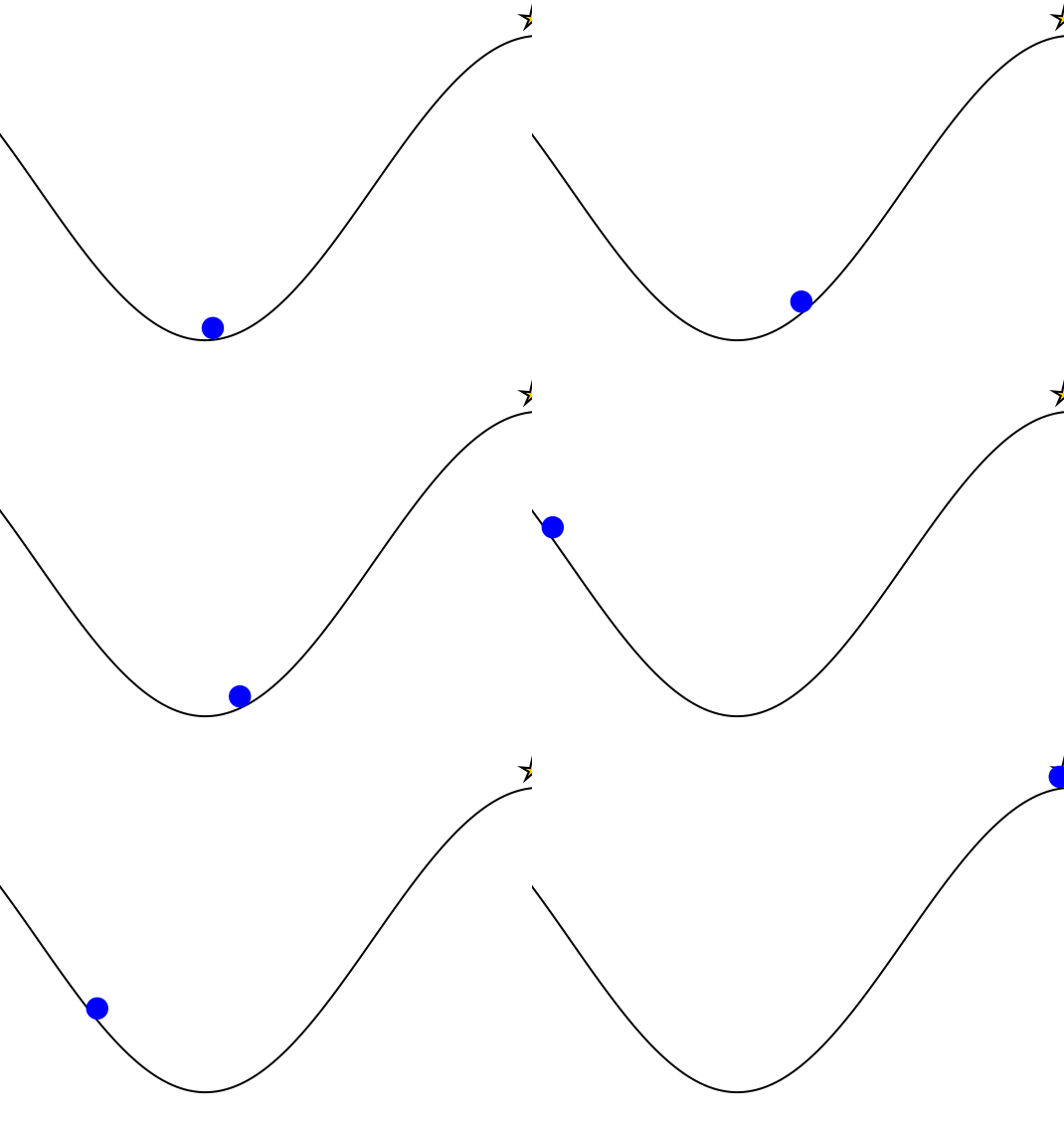
POMDP Planning with Learned Components
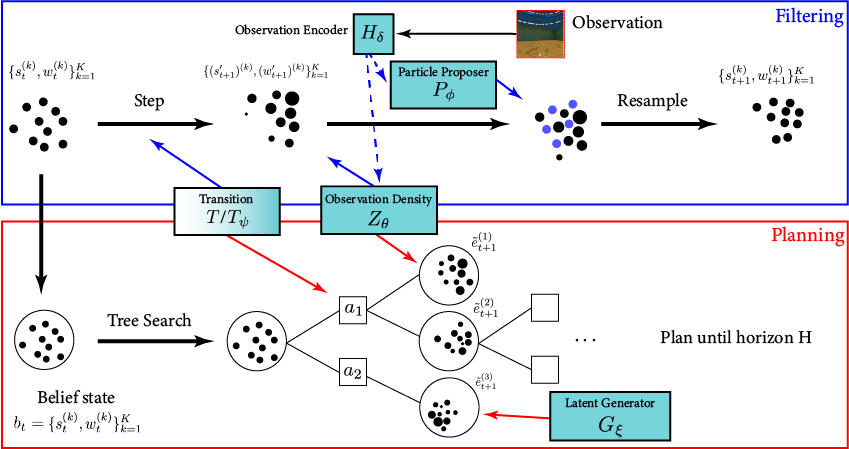
[Deglurkar, Lim, Sunberg, & Tomlin, 2023]
Continuous \(A\): BOMCP
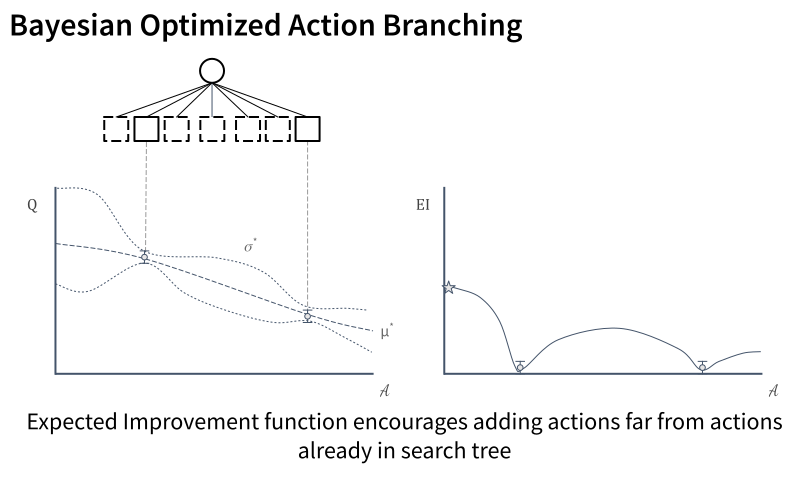

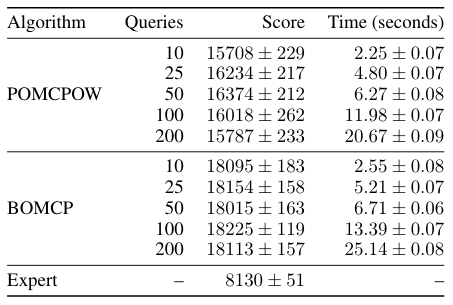
[Mern, Sunberg, et al. AAAI 2021]
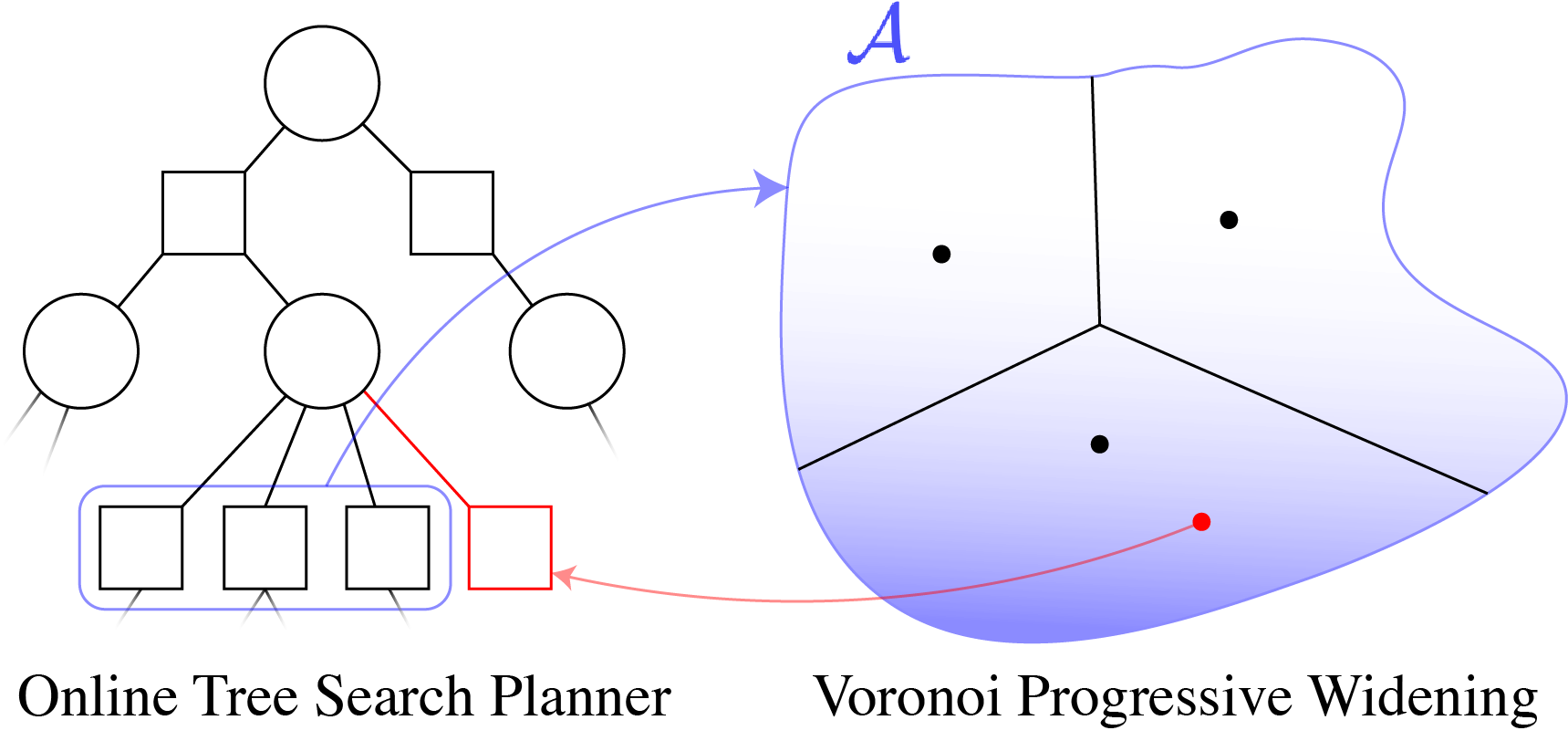
Continuous \(A\): Voronoi Progressive Widening
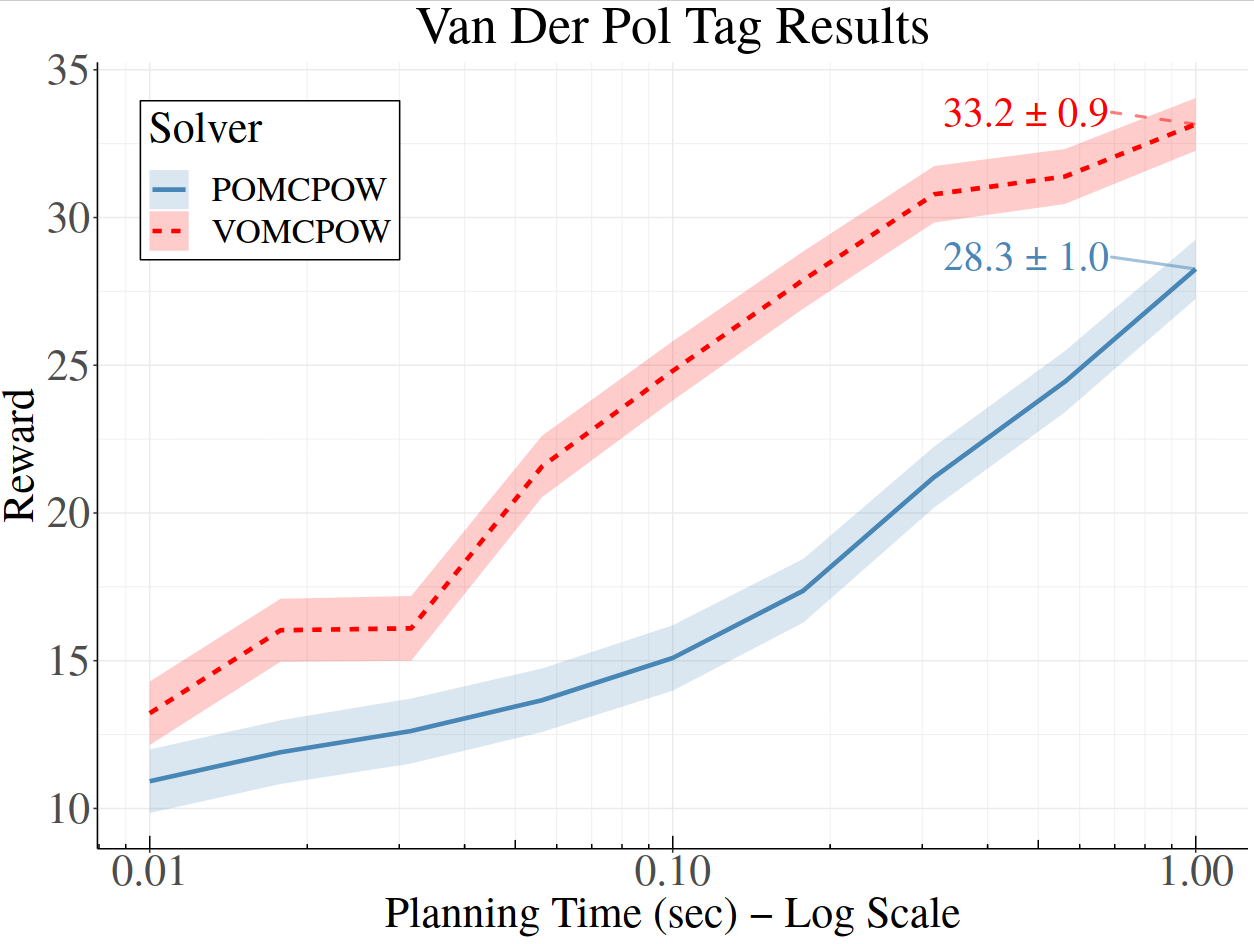
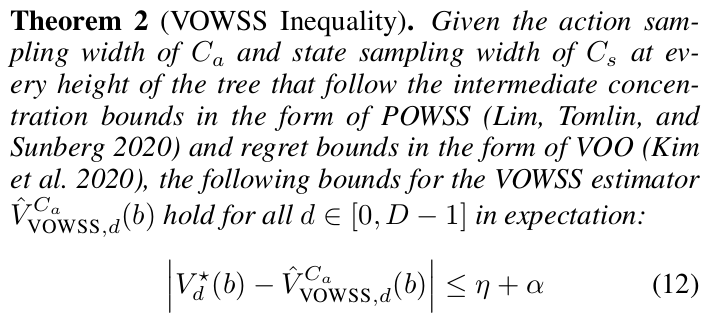
[Lim, Tomlin, & Sunberg CDC 2021]
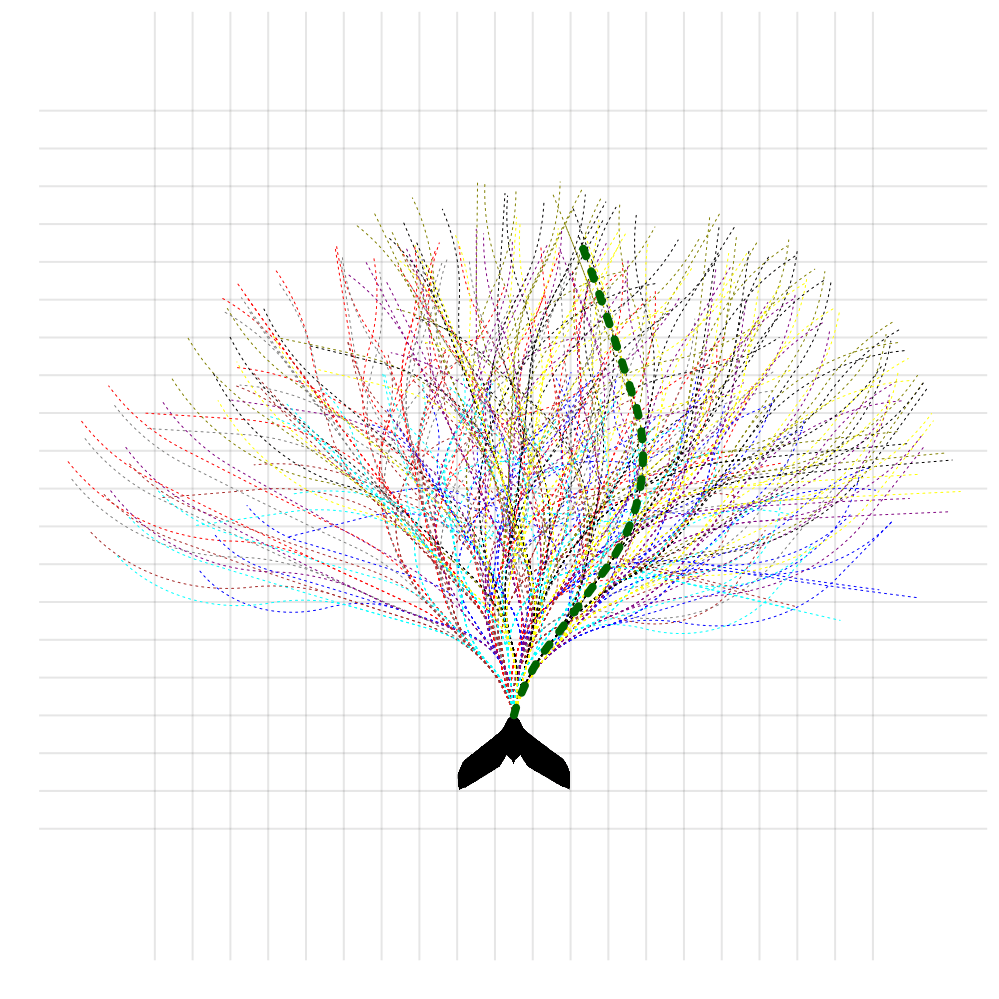
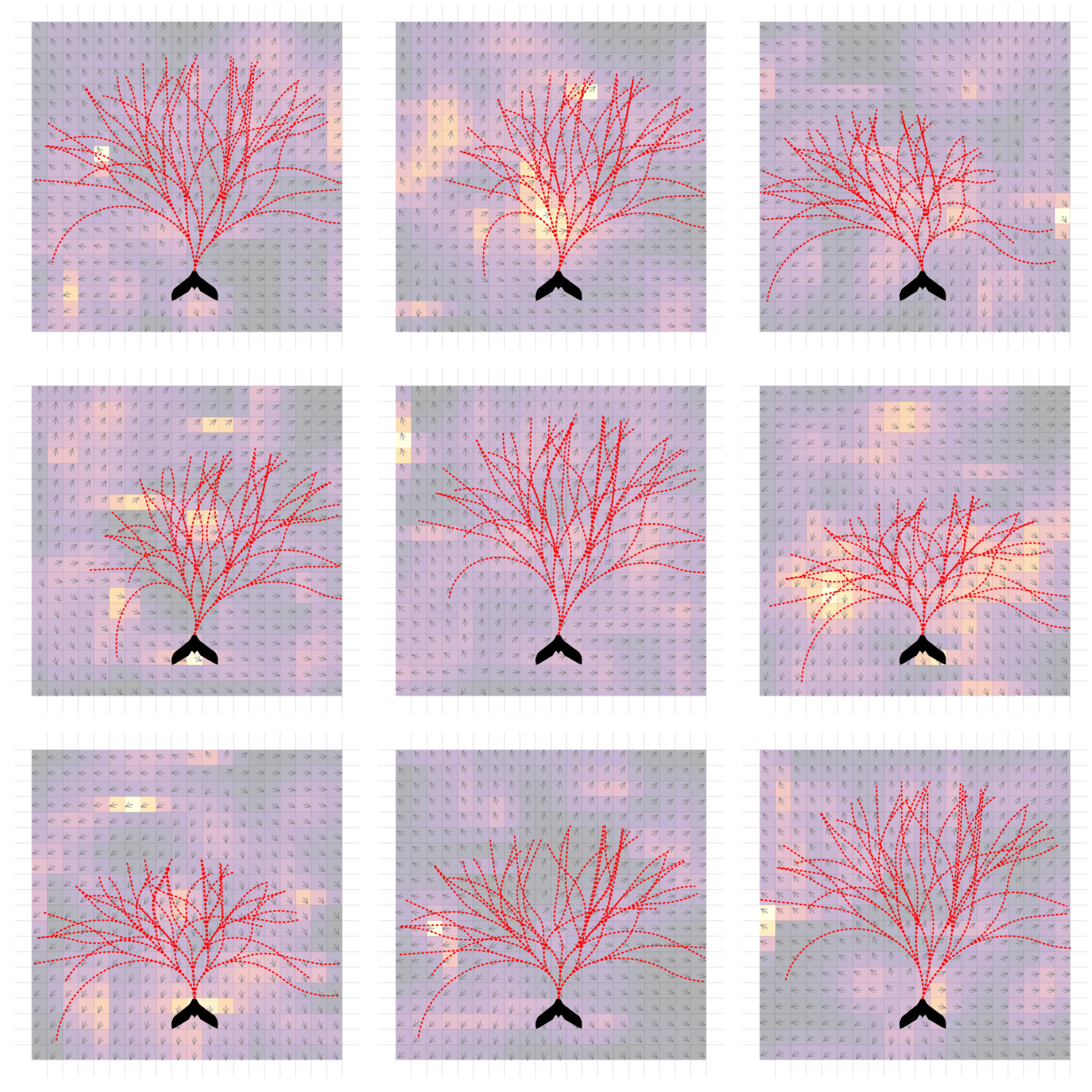
Storm Science
Human Behavior Model: IDM and MOBIL
\ddot{x}_\text{IDM} = a \left[ 1 - \left( \frac{\dot{x}}{\dot{x}_0} \right)^{\delta} - \left(\frac{g^*(\dot{x}, \Delta \dot{x})}{g}\right)^2 \right]
g^*(\dot{x}, \Delta \dot{x}) = g_0 + T \dot{x} + \frac{\dot{x}\Delta \dot{x}}{2 \sqrt{a b}}
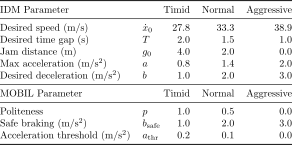
M. Treiber, et al., “Congested traffic states in empirical observations and microscopic simulations,” Physical Review E, vol. 62, no. 2 (2000).
A. Kesting, et al., “General lane-changing model MOBIL for car-following models,” Transportation Research Record, vol. 1999 (2007).
A. Kesting, et al., "Agents for Traffic Simulation." Multi-Agent Systems: Simulation and Applications. CRC Press (2009).


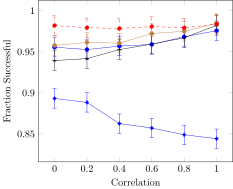
All drivers normal


Omniscient
Mean MPC
QMDP
POMCPOW
Technion Talk
By Zachary Sunberg